
Free shipping to Europe & Canada from $137, to the USA from $162, to Australia & New Zealand from $124 (excluding shipping fees).

Europe: orders under €150 (excluding shipping), final all-inclusive price

USA : Duties & taxes included, no surprises at delivery

Free shipping to Europe & Canada from $137, to the USA from $162, to Australia & New Zealand from $124 (excluding shipping fees).

Europe: orders under €150 (excluding shipping), final all-inclusive price

USA : Duties & taxes included, no surprises at delivery

Sashiko Supplies : Fabric, Thread & Needles

Everything you need for sashiko, sourced from Japan: pre-printed and plain fabric, Olympus thread and needles. Build your own project for sashiko stitching, boro or visible mending, shipped worldwide from Kyoto.

56 products found

Everything you need to start sashiko

Sashiko has a rare quality: it asks for almost nothing to begin. A piece of cloth, some thread, a needle, and you already have something in your hands. We have gathered here all the authentic sashiko supplies we bring back from Japan, to start and to go further.

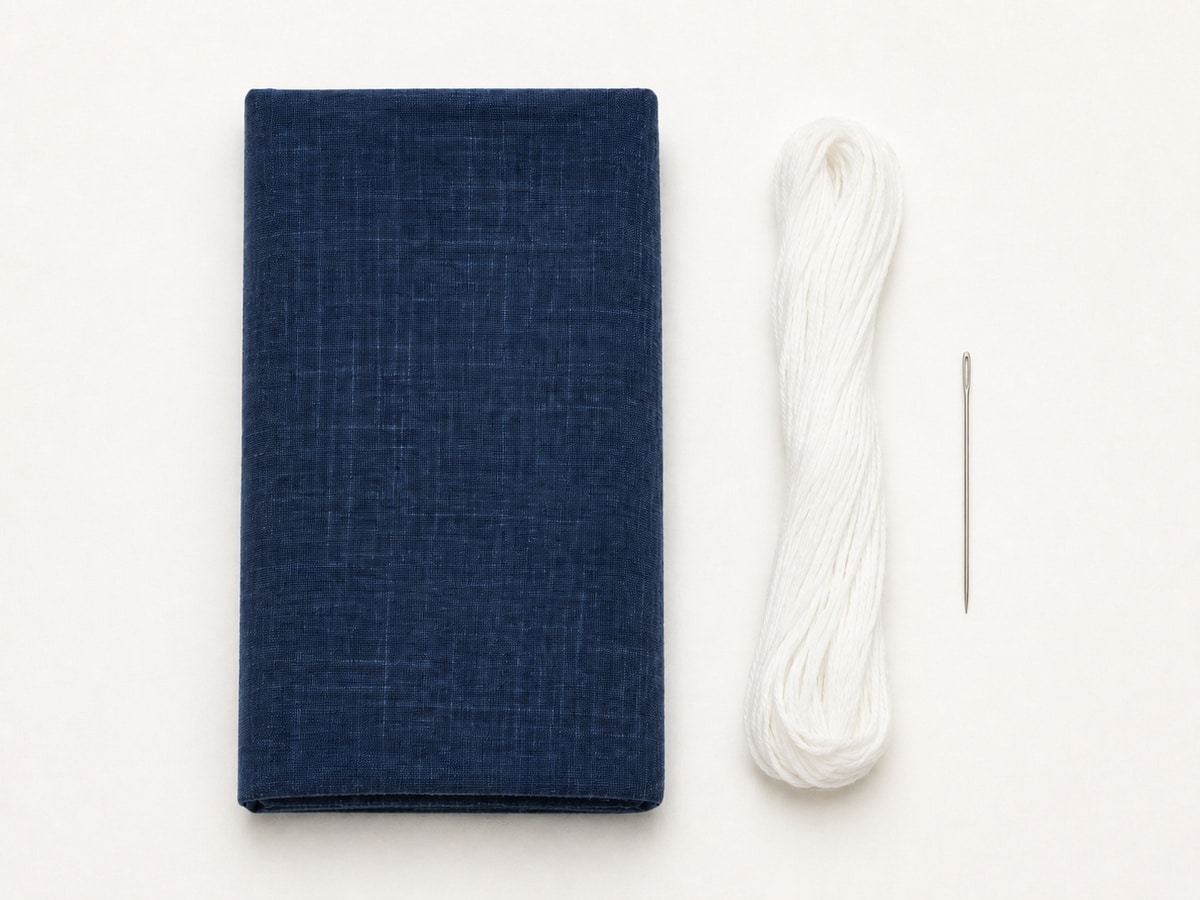
For a first project, the bare essentials come down to four items: a soft-weave cotton (plain indigo is the most traditional), a cotton sashiko thread, a long rigid needle, and a palm thimble to push the needle through the layers. The rest is colours and patterns, and that is where the fun begins.
The supplies, piece by piece

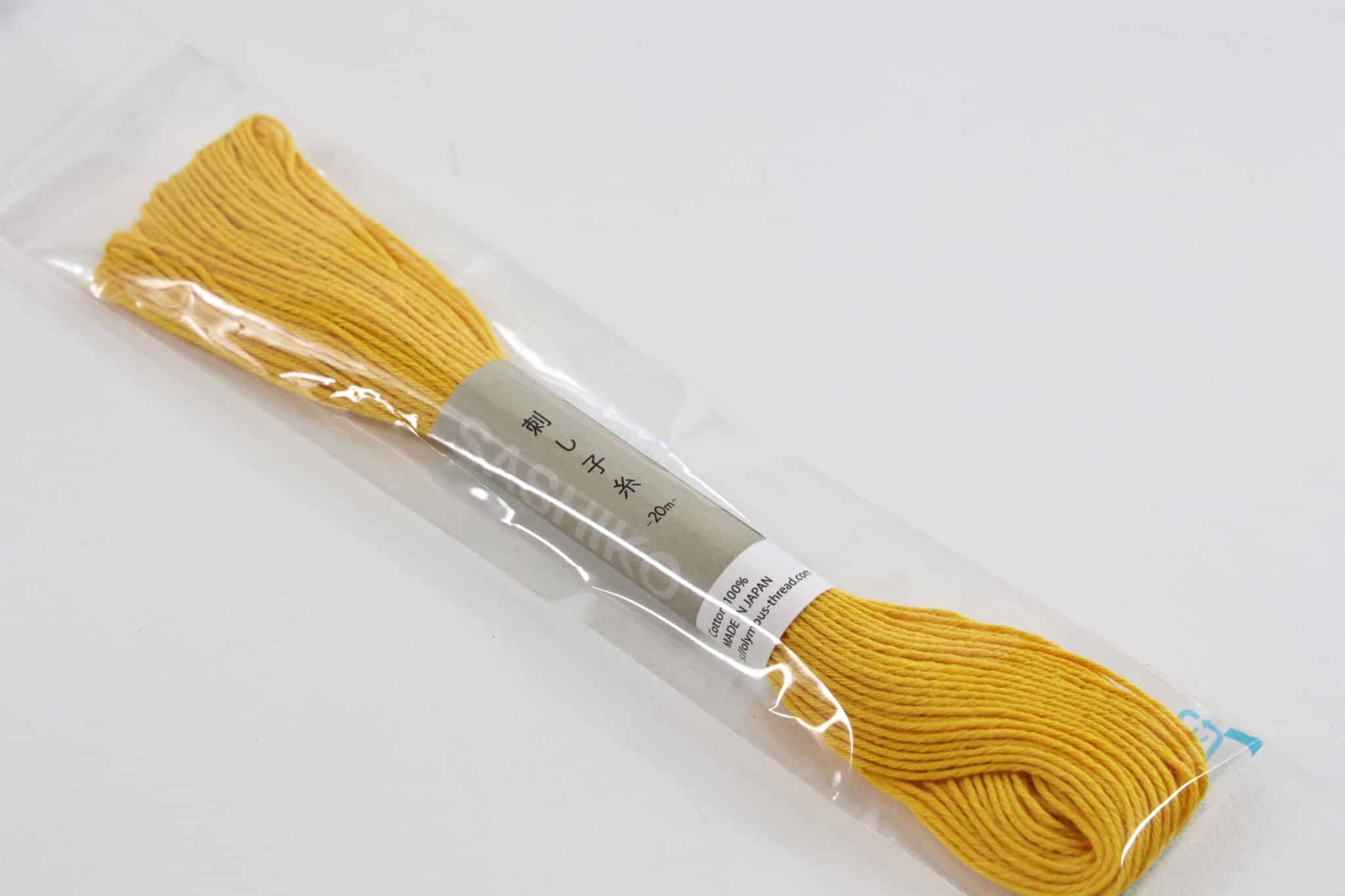
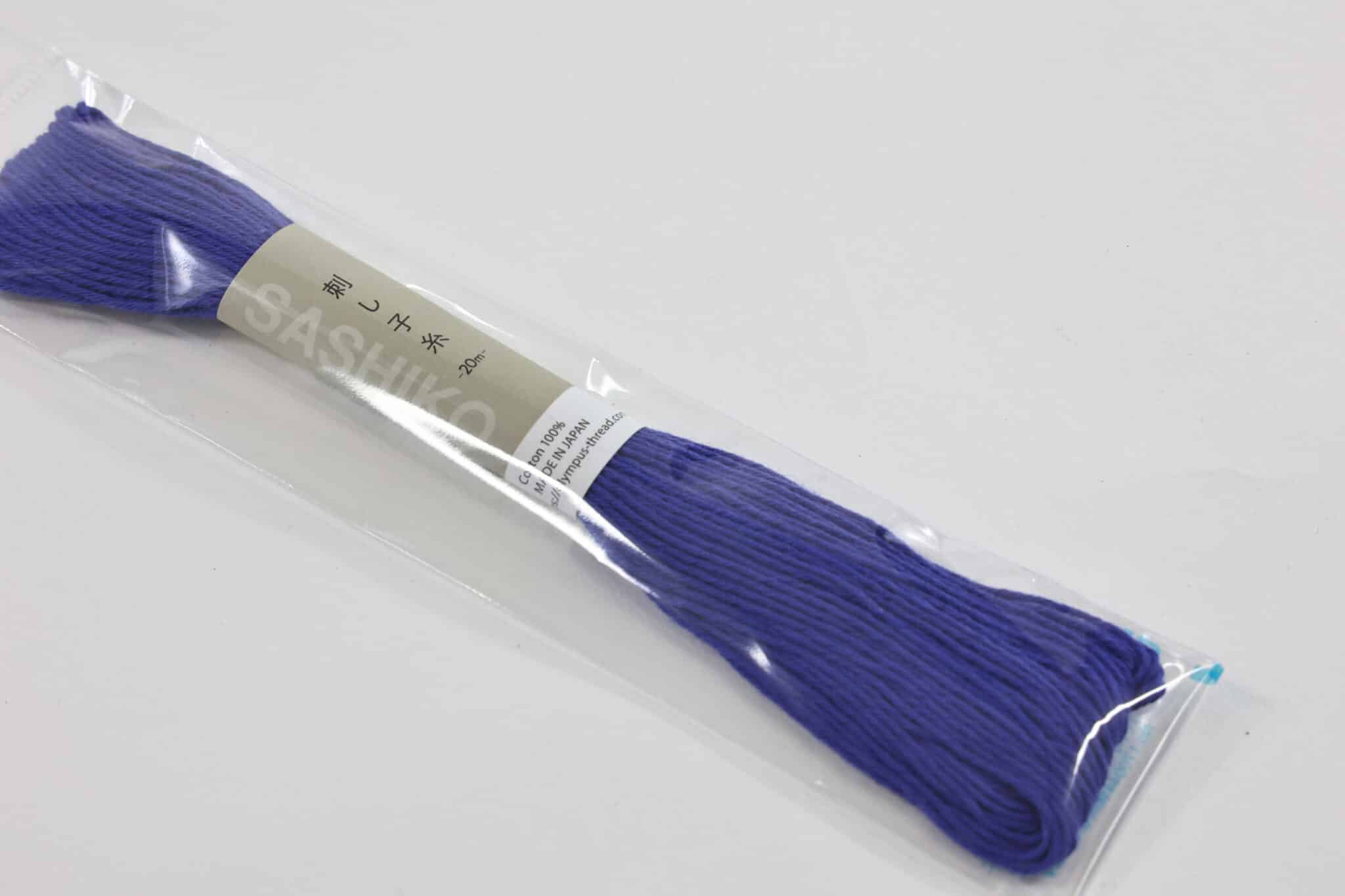
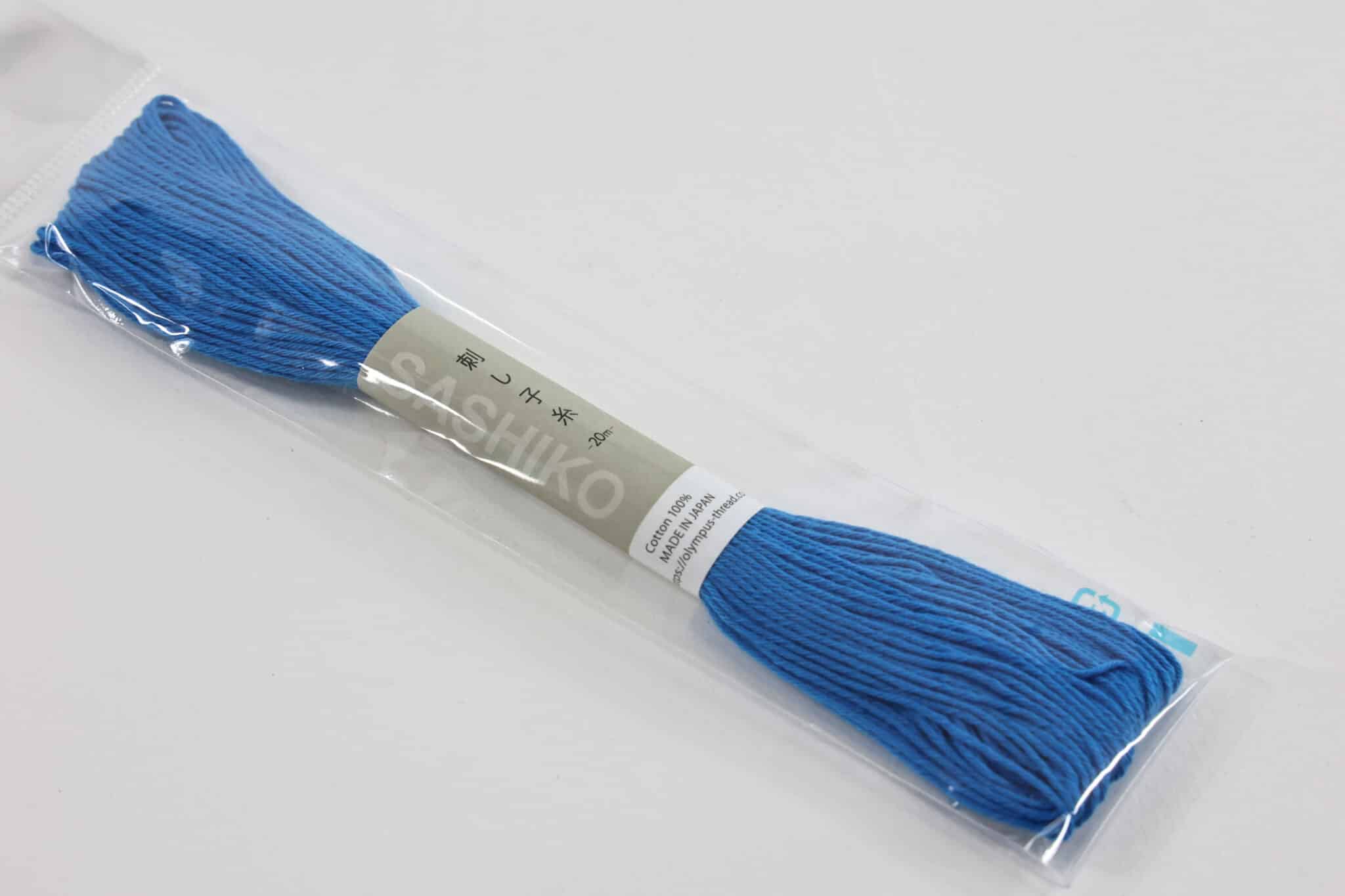
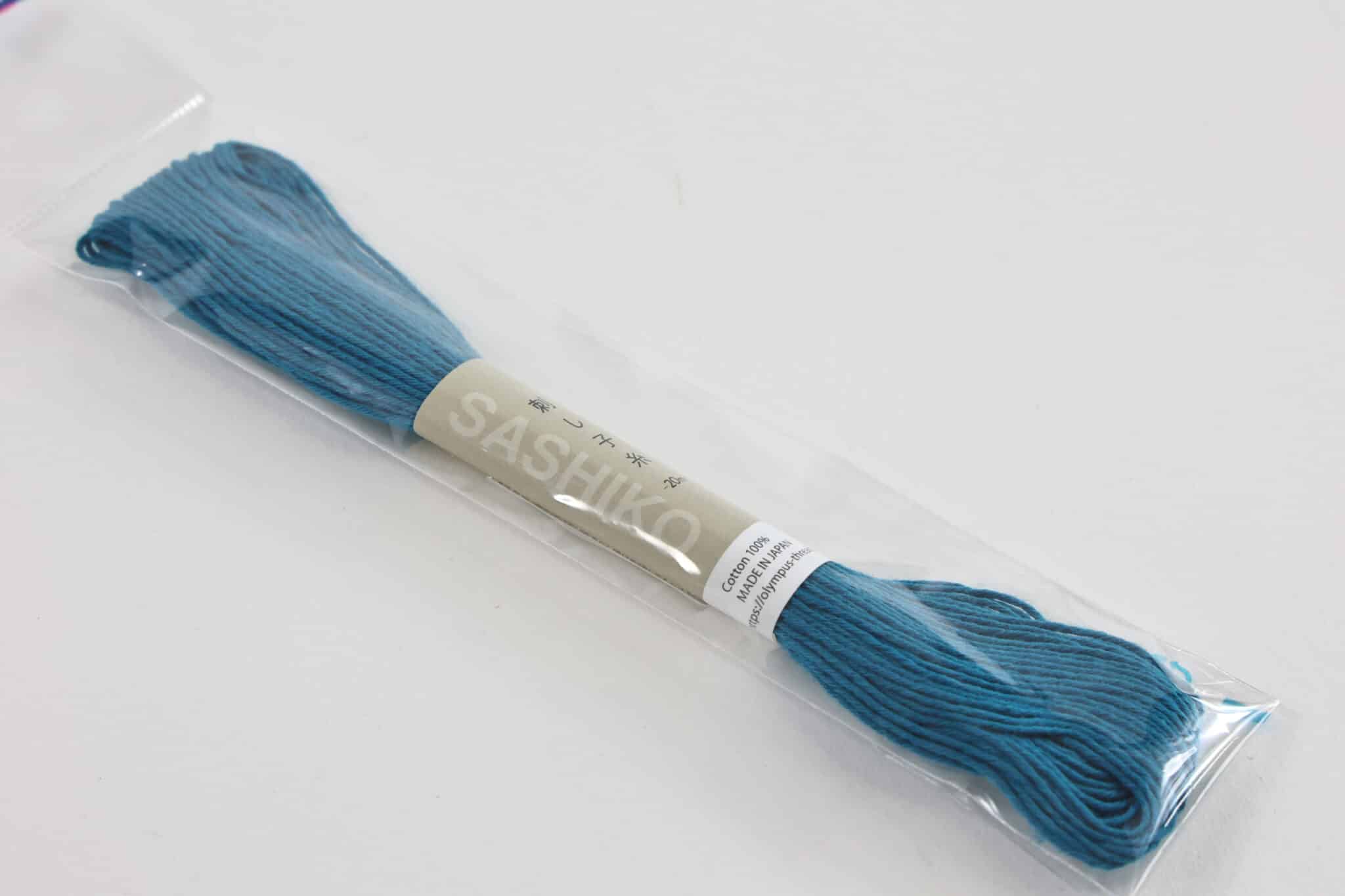
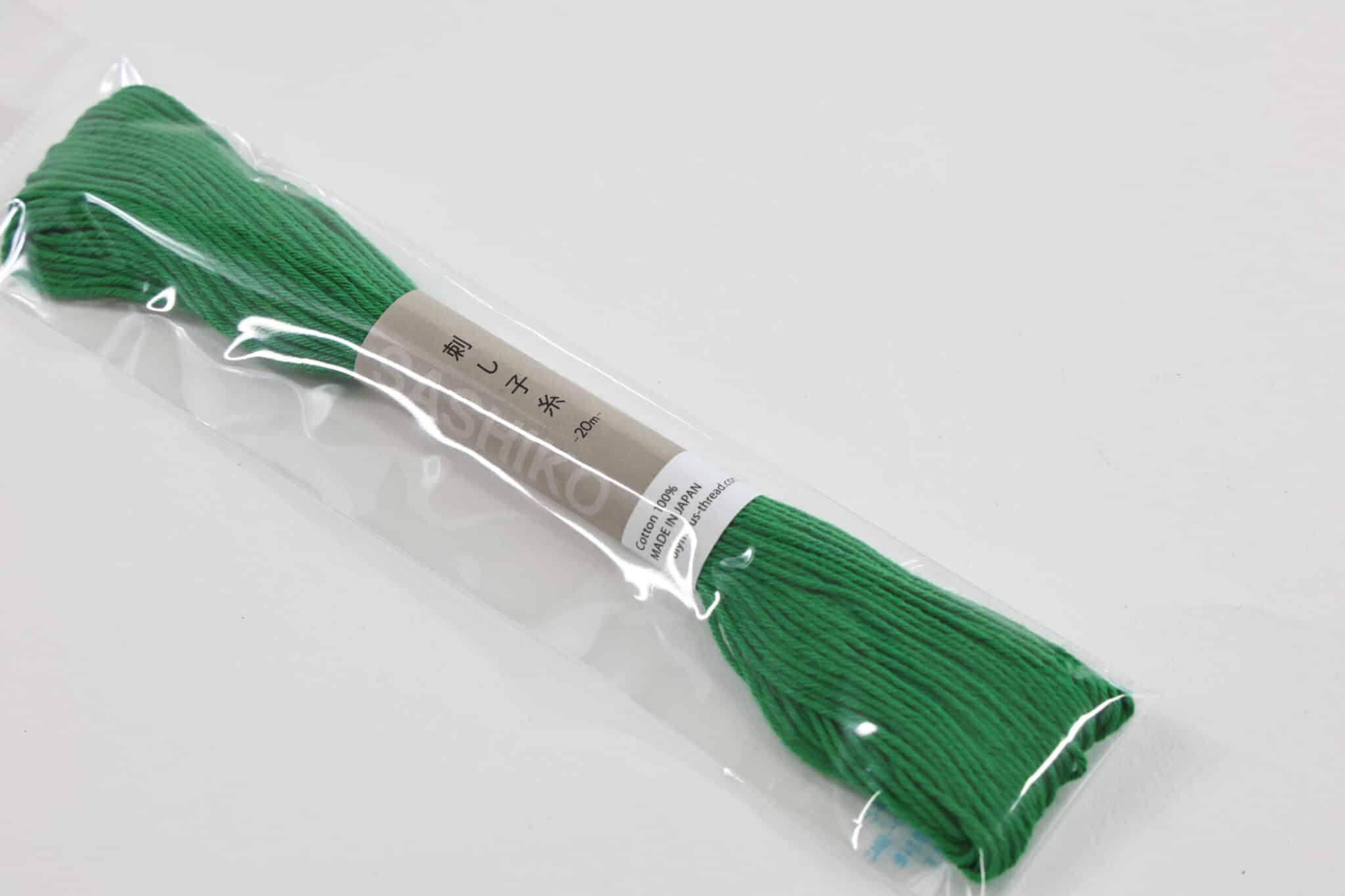
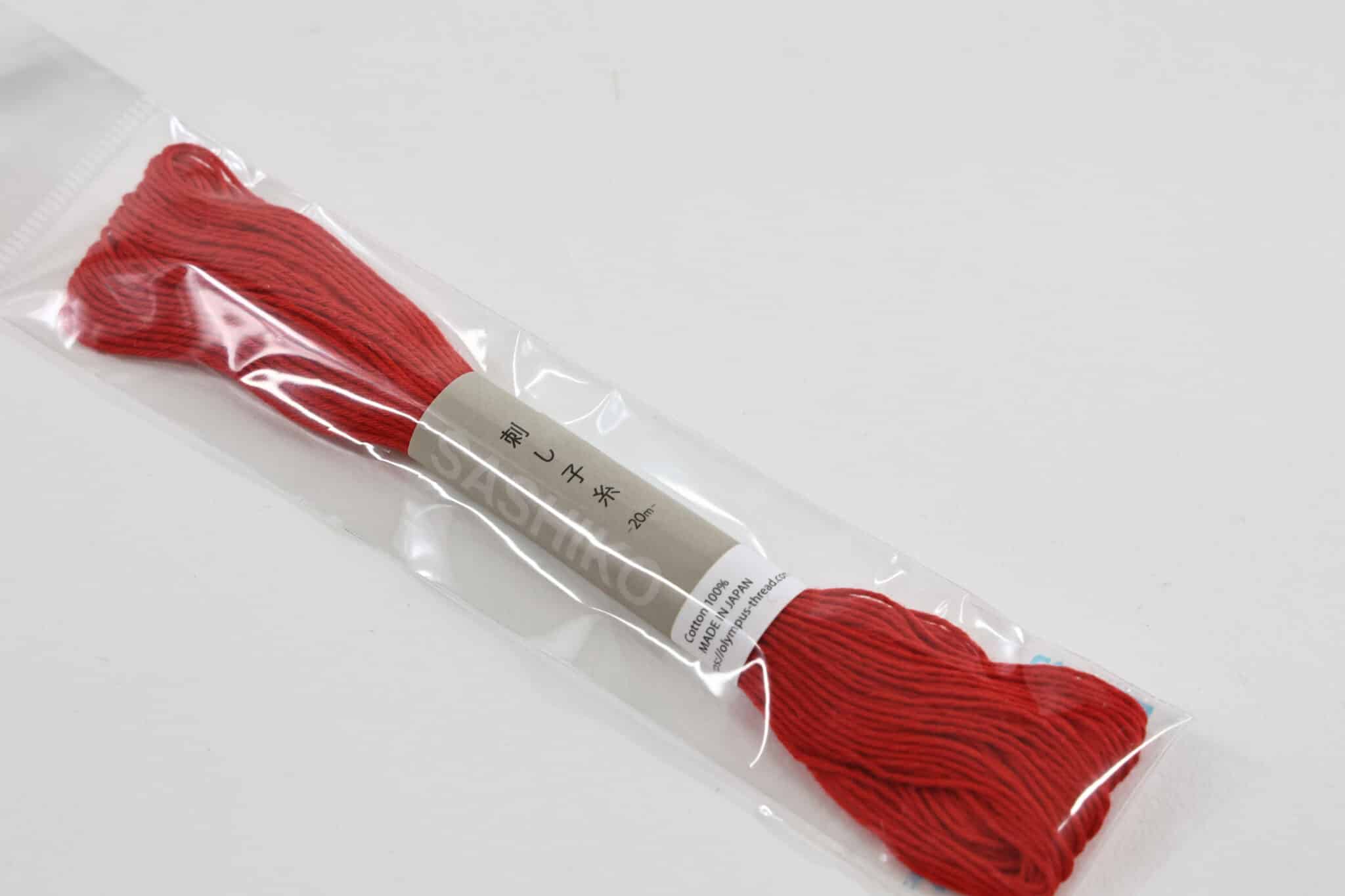
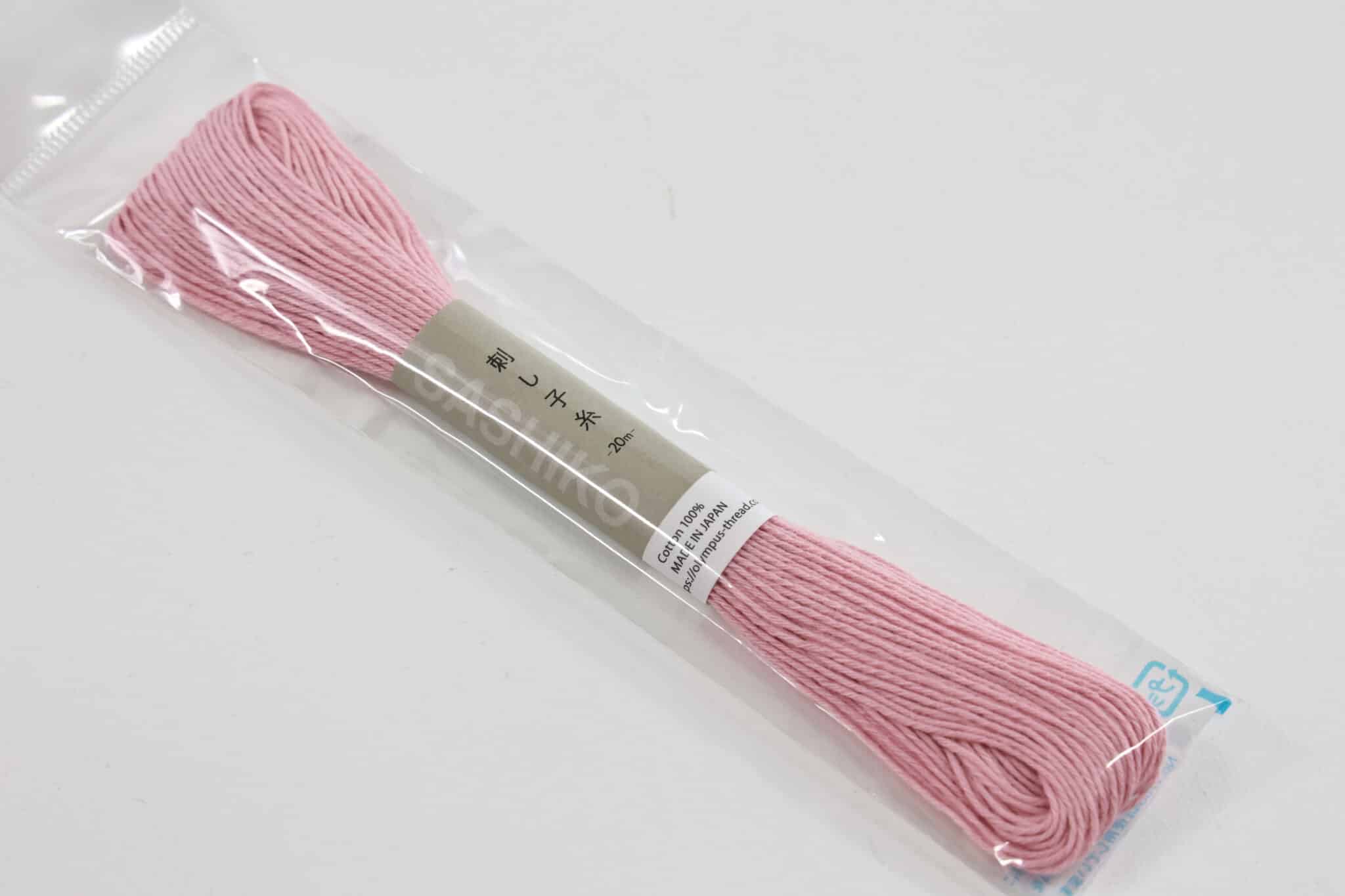
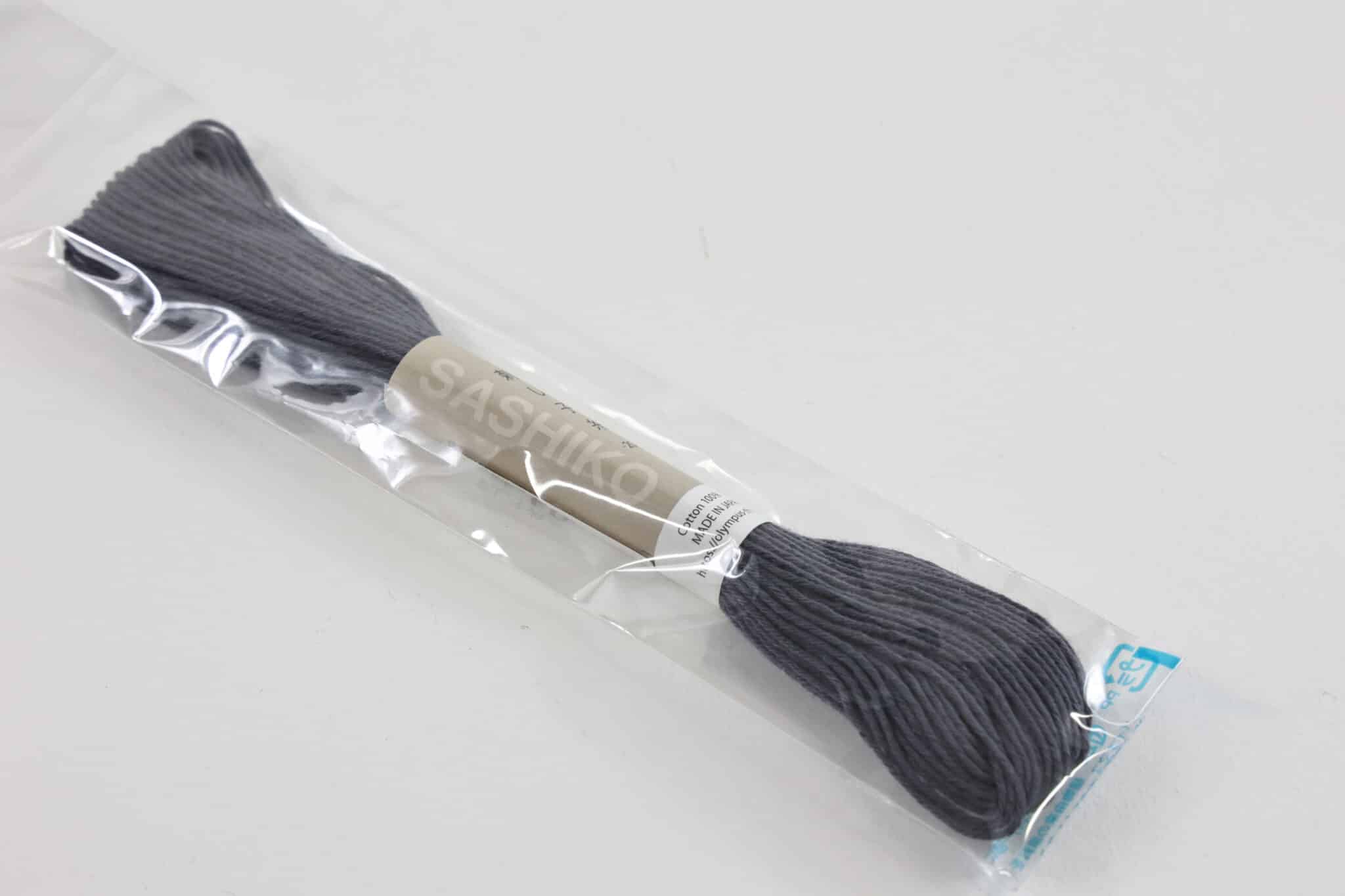
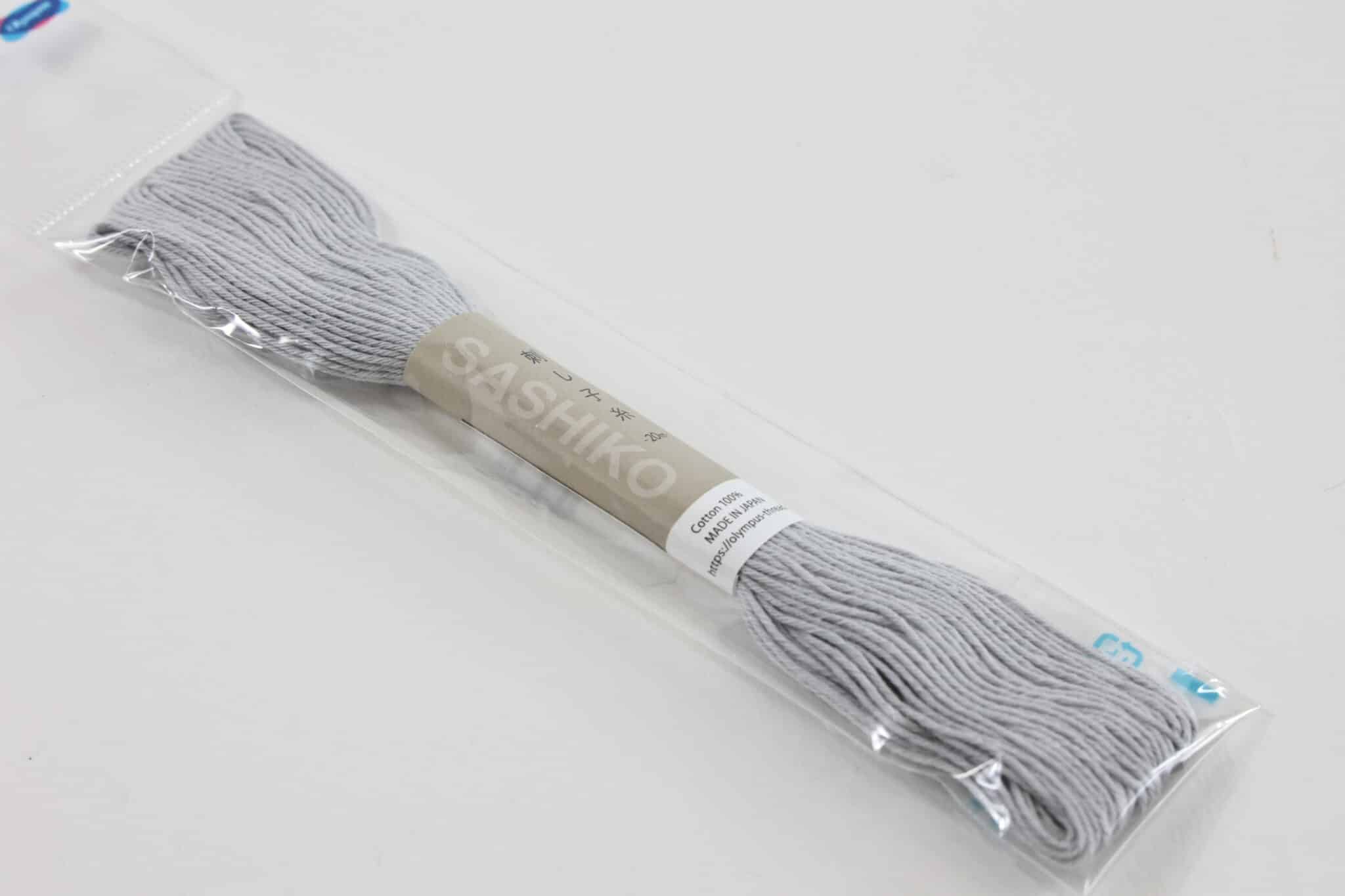
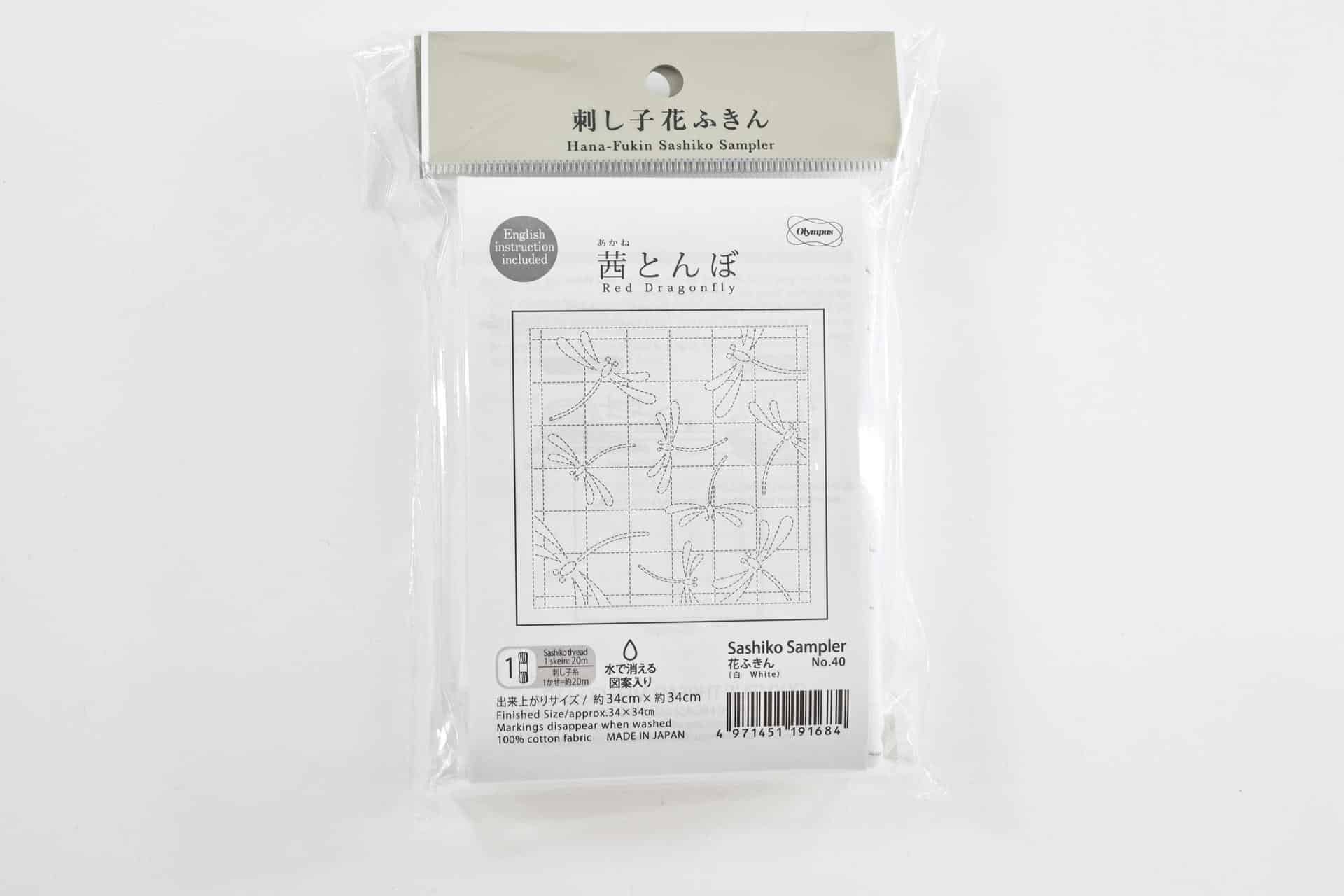
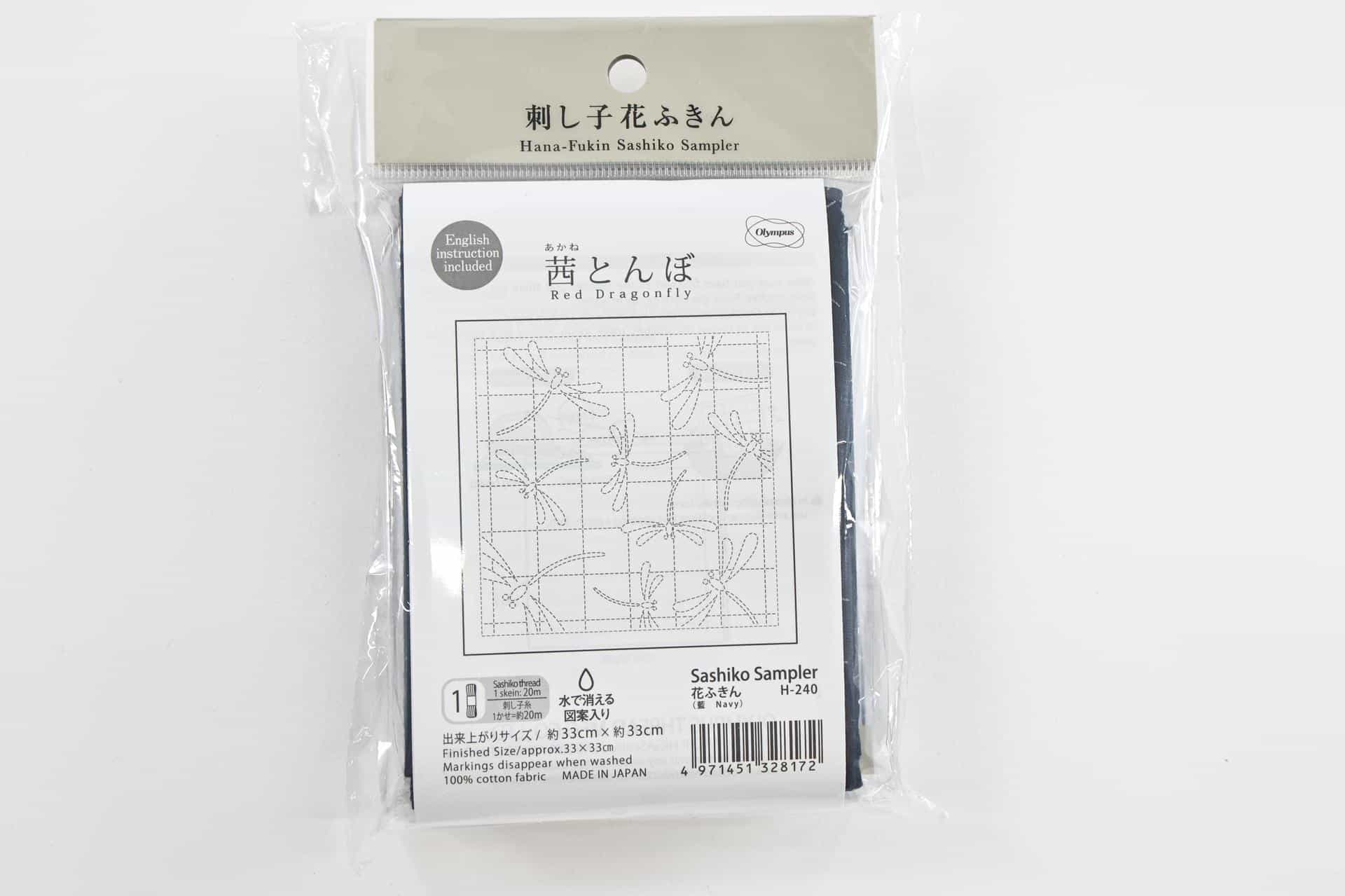
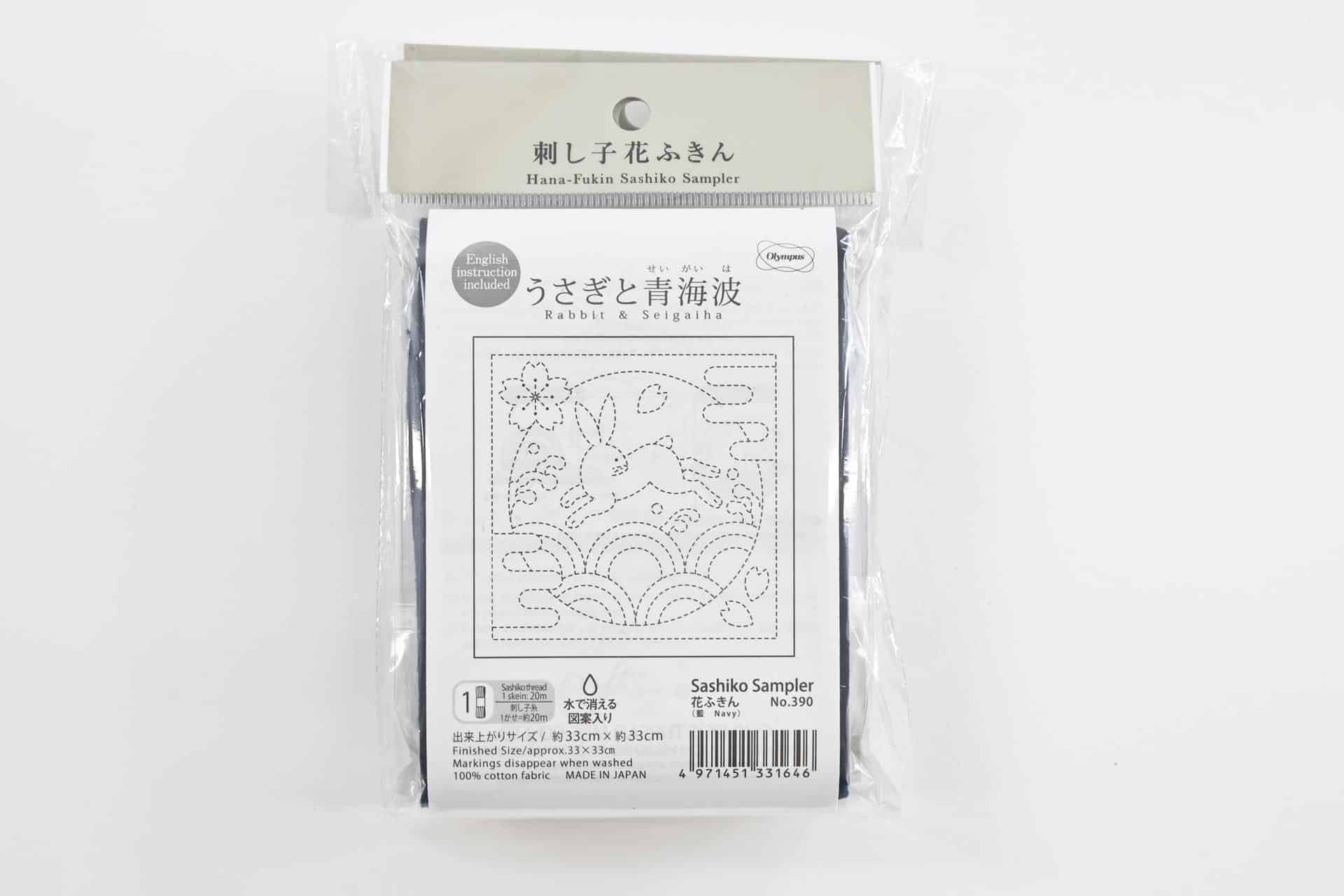
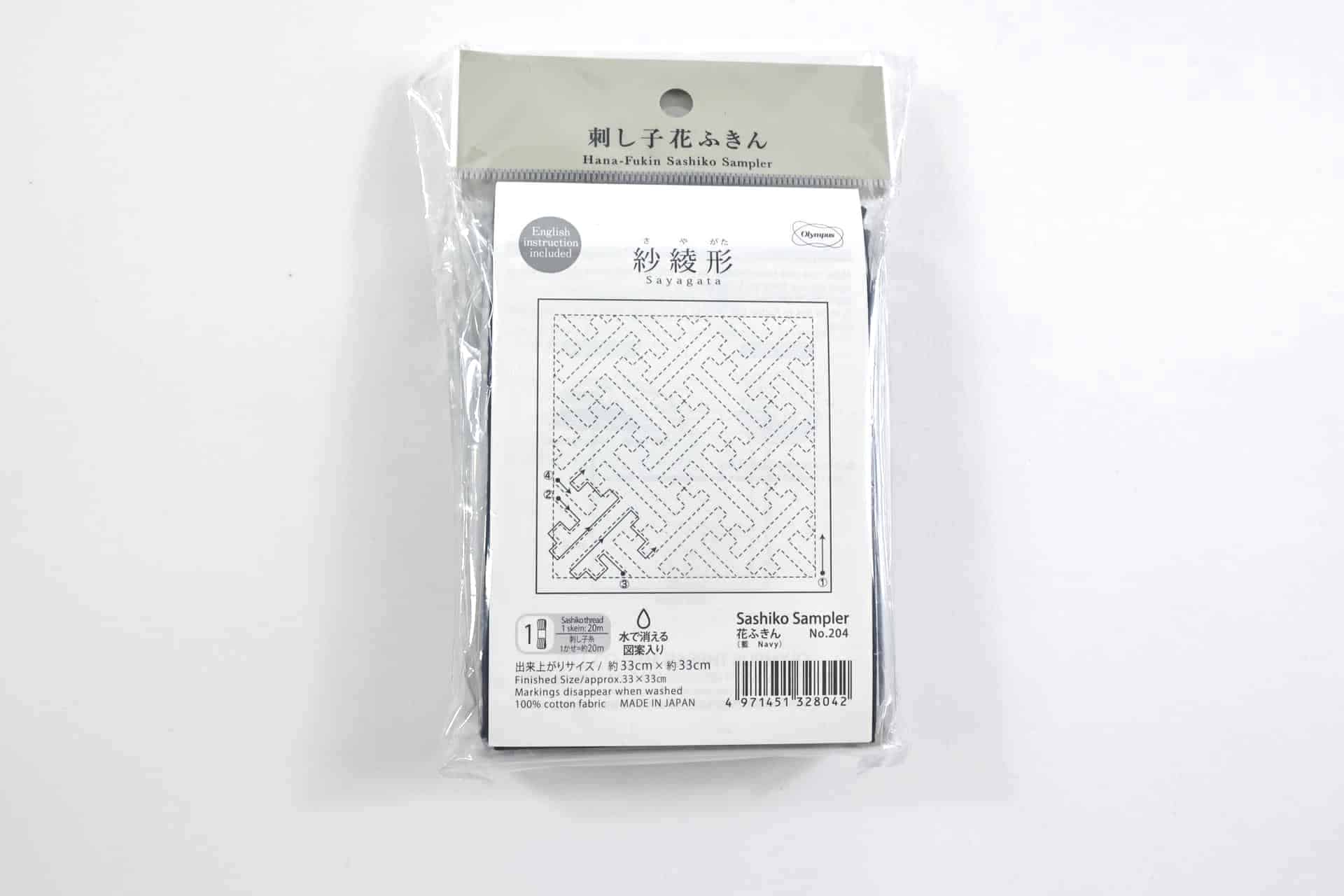
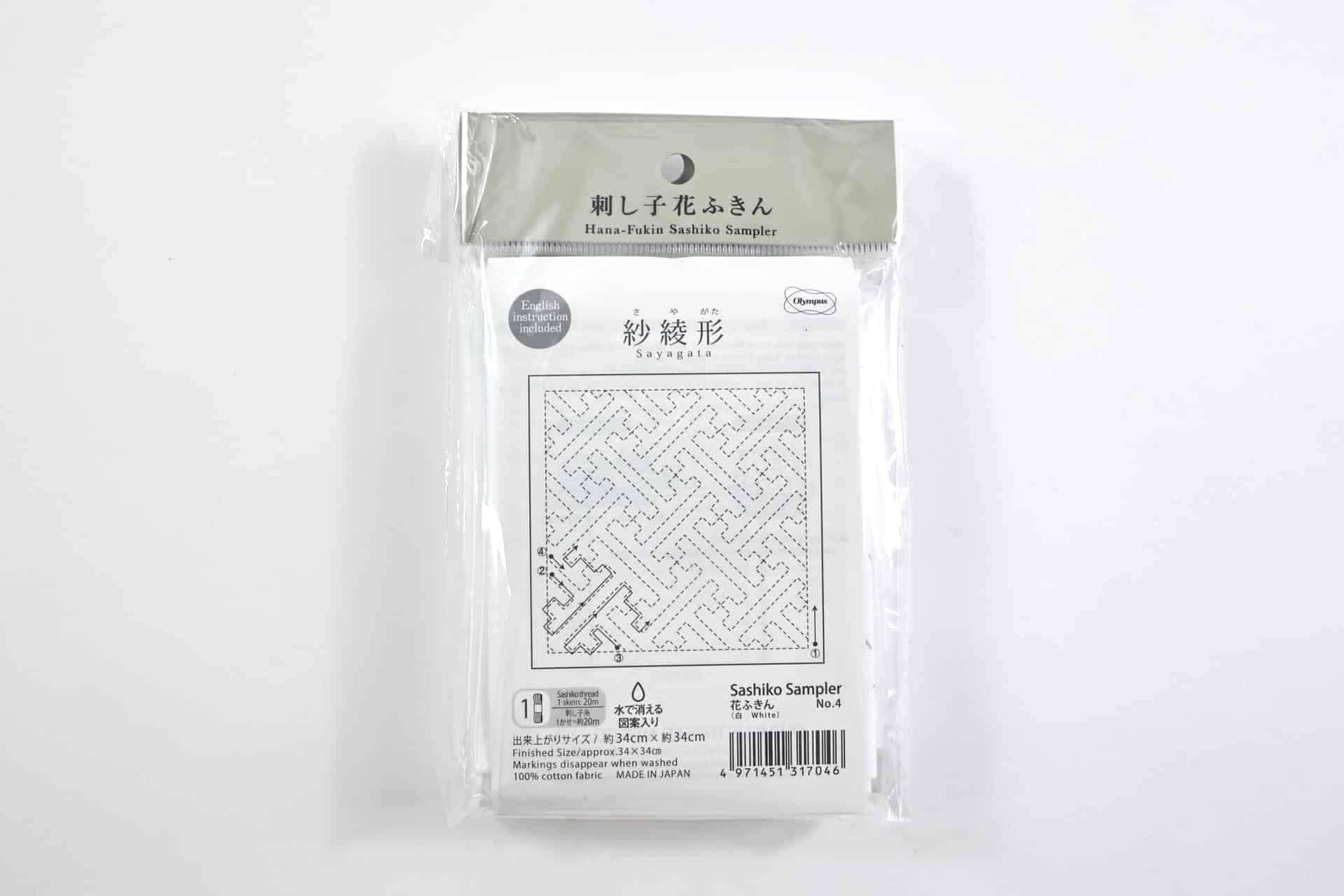
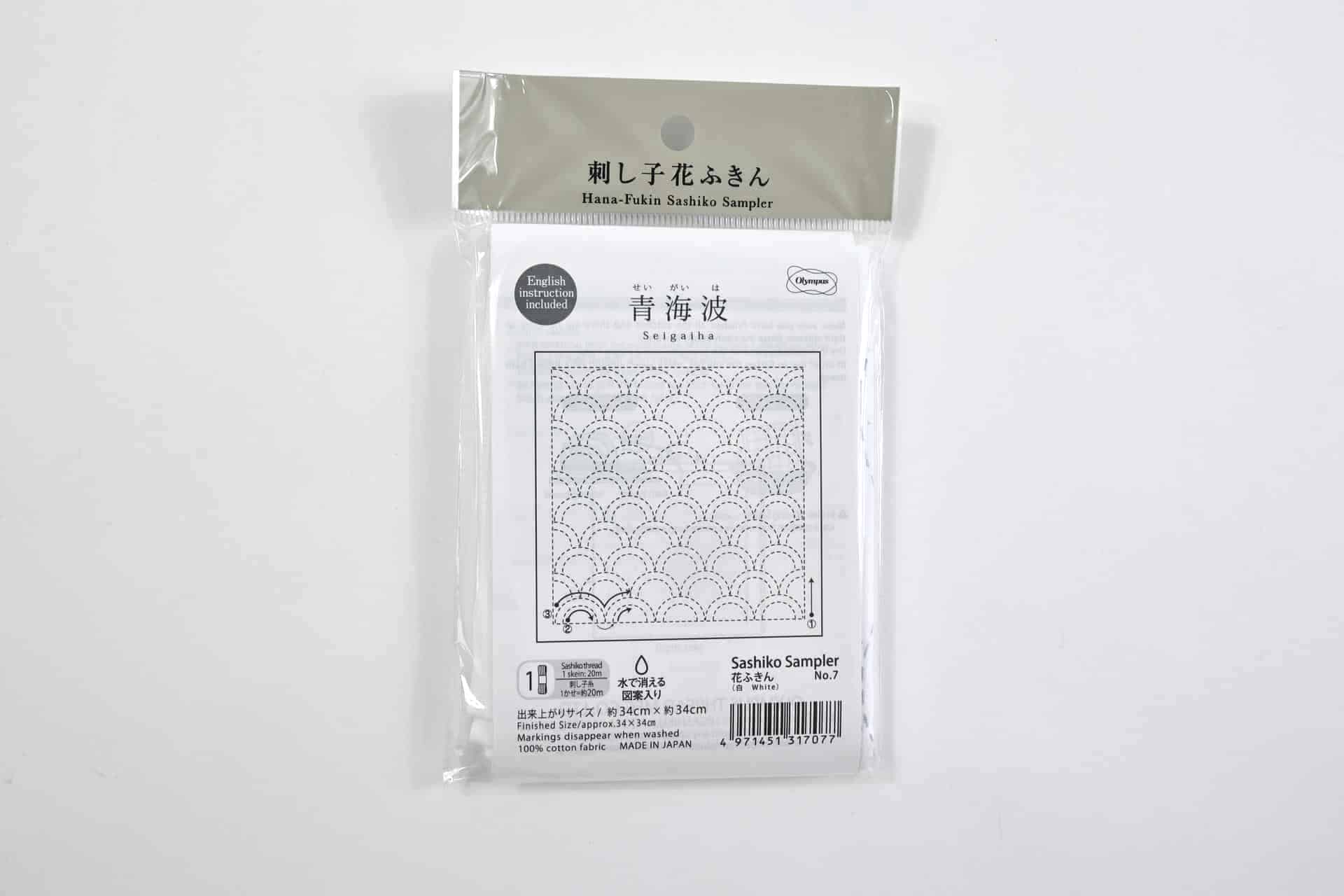
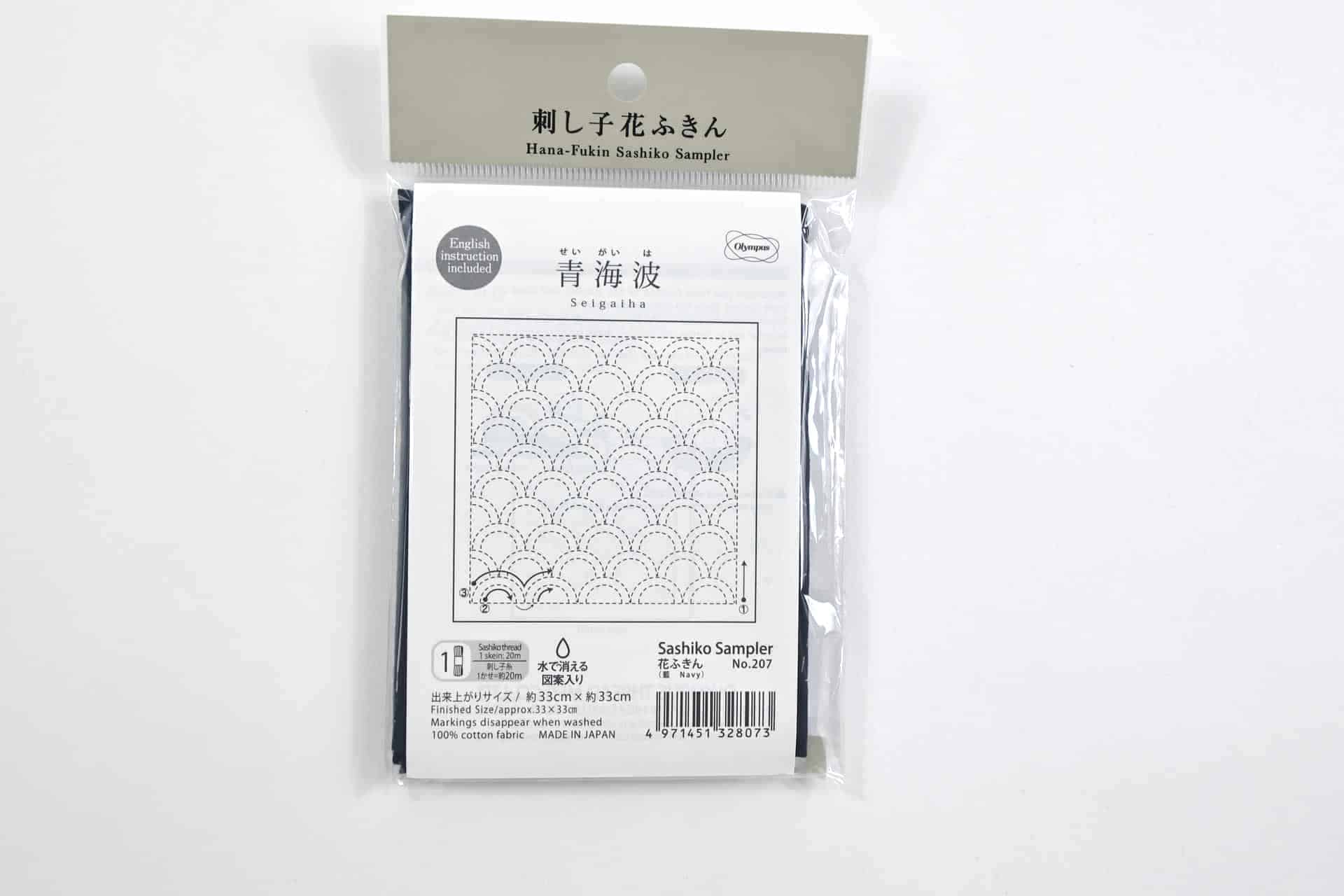
Three families to mix as you like. Fabrics: solid hand-dyed cottons (indigo blue first), pre-printed panels to stitch along without marking, and printed sashiko-motif fabrics to sew straight away. Threads: matte Japanese cotton, in 100 m for base colours and 20 m across a wide palette. Needles and tools to push the stitch.

Each family has its own page, with the full range of colours and formats. And if in doubt, go for the essentials: an indigo cotton, an ecru thread, a long needle.

From mending to art: the spirit of sashiko

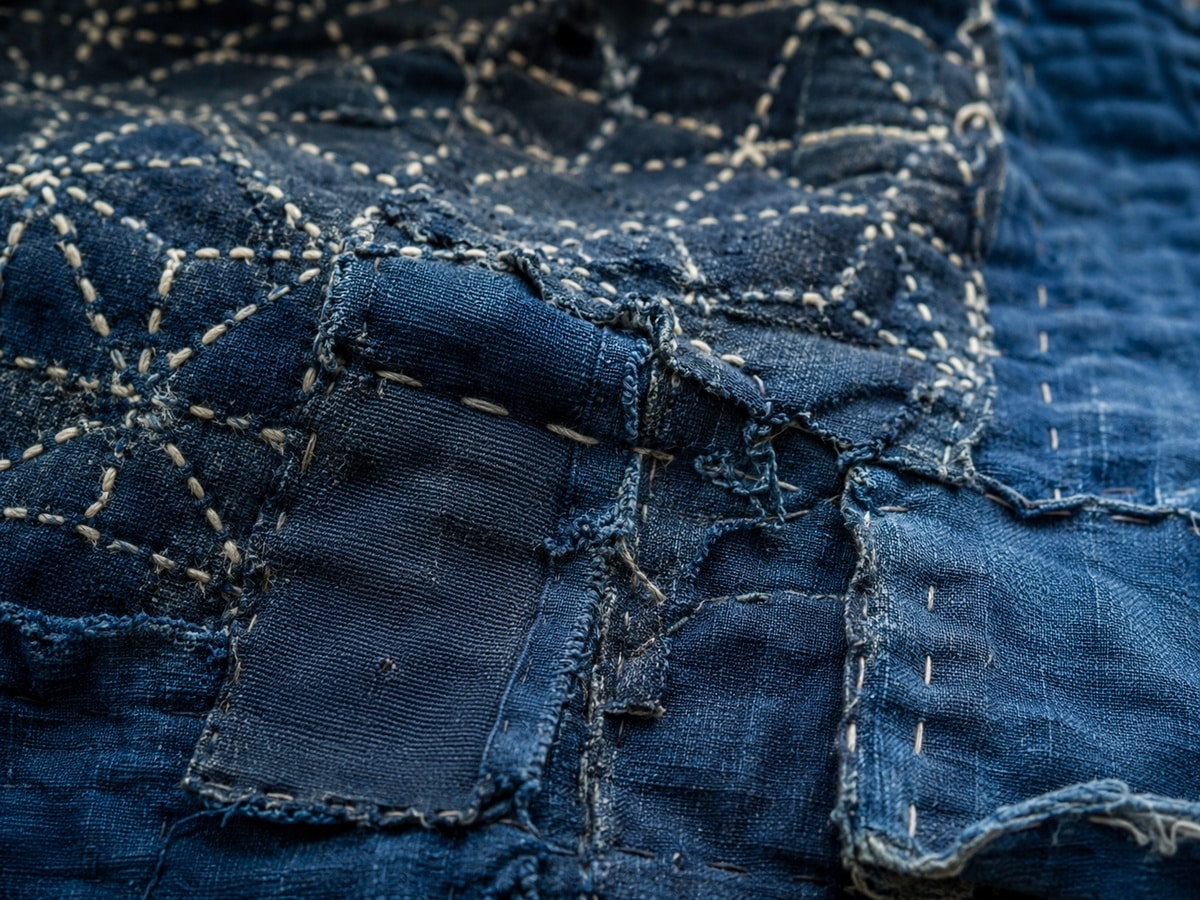
Sashiko was born in northern Japan out of necessity: mending and reinforcing clothes when cloth was scarce and dear. Pieces patched layer upon layer became boro, now shown as works of art. The whole spirit of sashiko is there: waste nothing, and turn mending into beauty.

That is why it is back in force, carried by visible mending and slow fashion. New to the craft? Our sashiko guide explains the stitches, the patterns and their history, so you can choose your supplies knowingly.

Find out more about Sashiko Supplies : Fabric, Thread & Needles

Here are some answers to questions you may have about this product category and our shop.

What do I need to start sashiko?

Four things are enough: a soft-weave cotton fabric (plain indigo is the most traditional), sashiko cotton thread, a long rigid needle, and a palm thimble. You will find all of them in this category.

Is sashiko hard for a beginner?

No, it is one of the most accessible forms of stitching: a single stitch to master, the running stitch. A pre-printed panel and a contrasting thread are enough for a satisfying first result.

How is sashiko different from regular embroidery?

Sashiko relies on a single running stitch repeated in even rows, matte cotton thread on cotton, both decorative and structural. Regular embroidery combines many stitches and an often shiny thread.

What does a sashiko kit contain?

Usually a fabric (often pre-printed), thread and sometimes a needle. You can build your own here à la carte: a fabric, one or two threads, a suitable needle.

Which thread and fabric give the traditional look?

The great classic: a solid indigo cotton and an ecru or white thread. That is the famous white on blue, understated and timeless, ideal for beginners.

Can I use sashiko to repair my clothes?

Yes, it is the original use. Visible mending repairs worn jeans or a sweater with an openly shown sashiko stitch, often over a small patch slipped behind the tear.

Do your products really come from Japan?

Yes. Our sashiko fabrics, threads and tools are selected and brought back from Japan, in line with our work on authentic Japanese fabrics.