



The Japanese kimono is a symbol of Japanese culture and history. For centuries, this traditional garment has evolved, transitioning from everyday traditional wear to a cherished ceremonial outfit. With its traditional patterns and high-quality fabrics such as silk satin, each kimono tells a story, reflecting the cultural and social changes in Japan. This rich history makes the Japanese kimono a favored choice for those who love Japanese culture.
112 products found
-
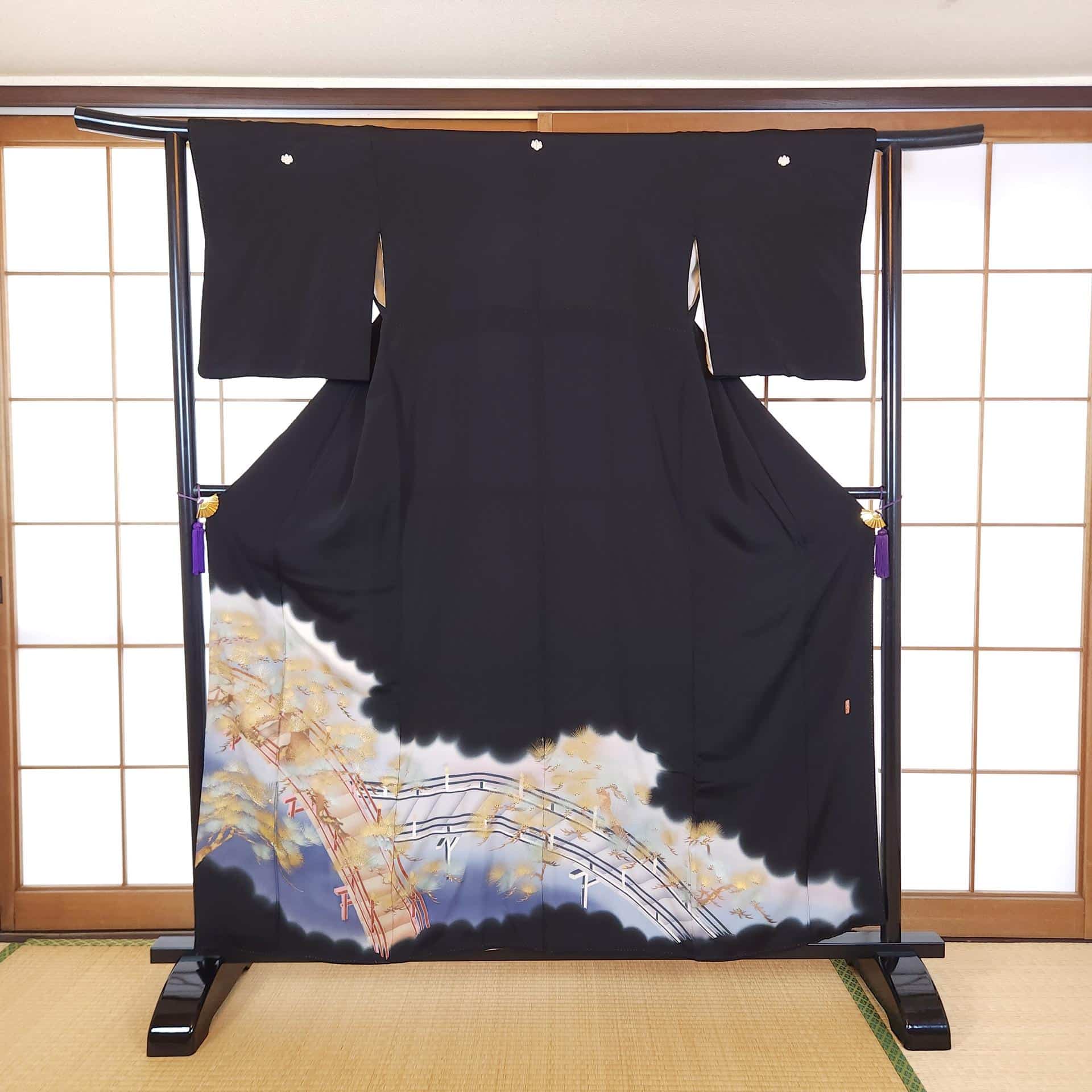
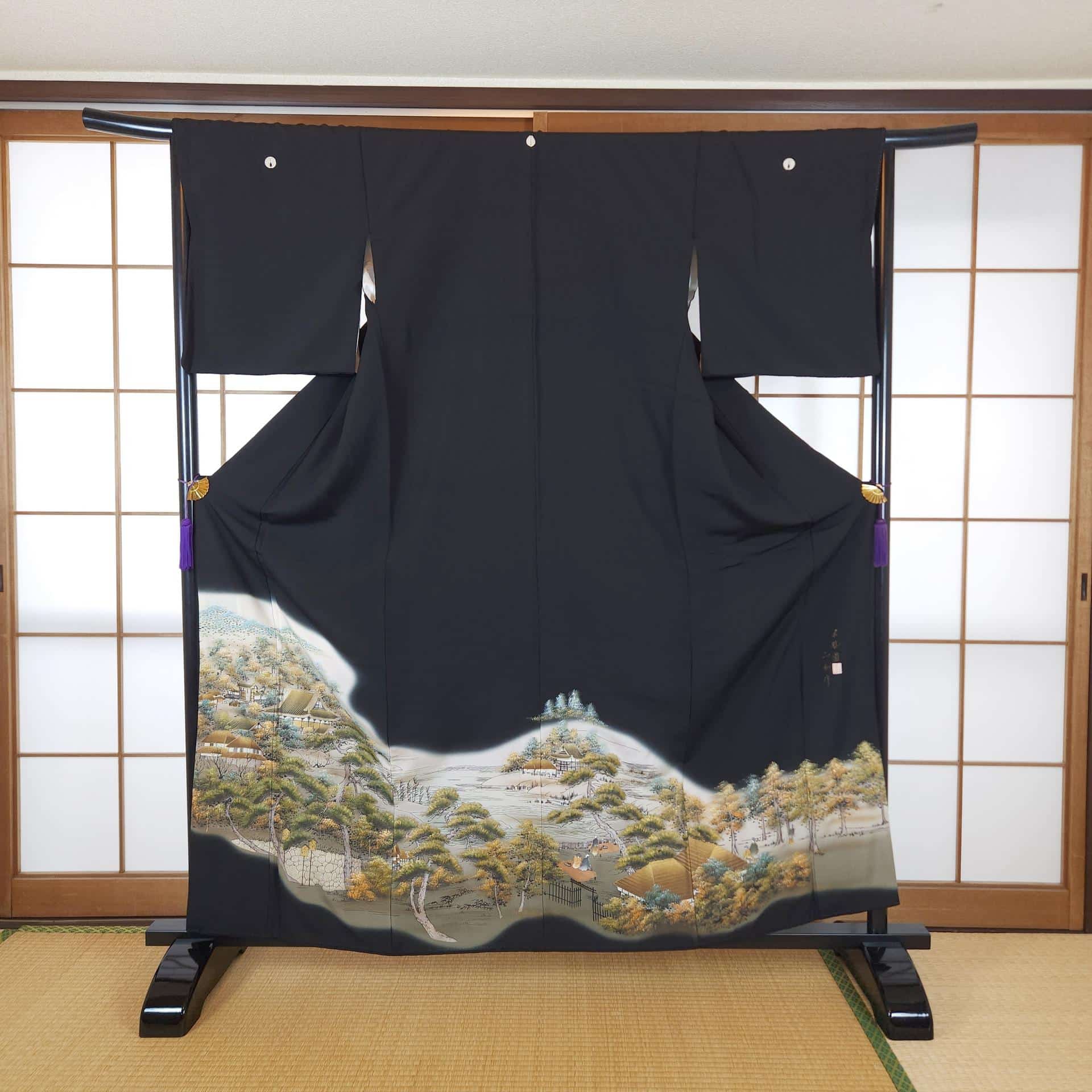
Kuro Tomesode bridge and golden pines
Kuro Tomesode, traditional formal kimono featuring a curved bridge surrounded by golden pine trees
-

Kuro Tomesode Kimono with autumn landscape
Japanese Kuro Tomesode Kimono decorated with a hand-painted seaside village landscape
-
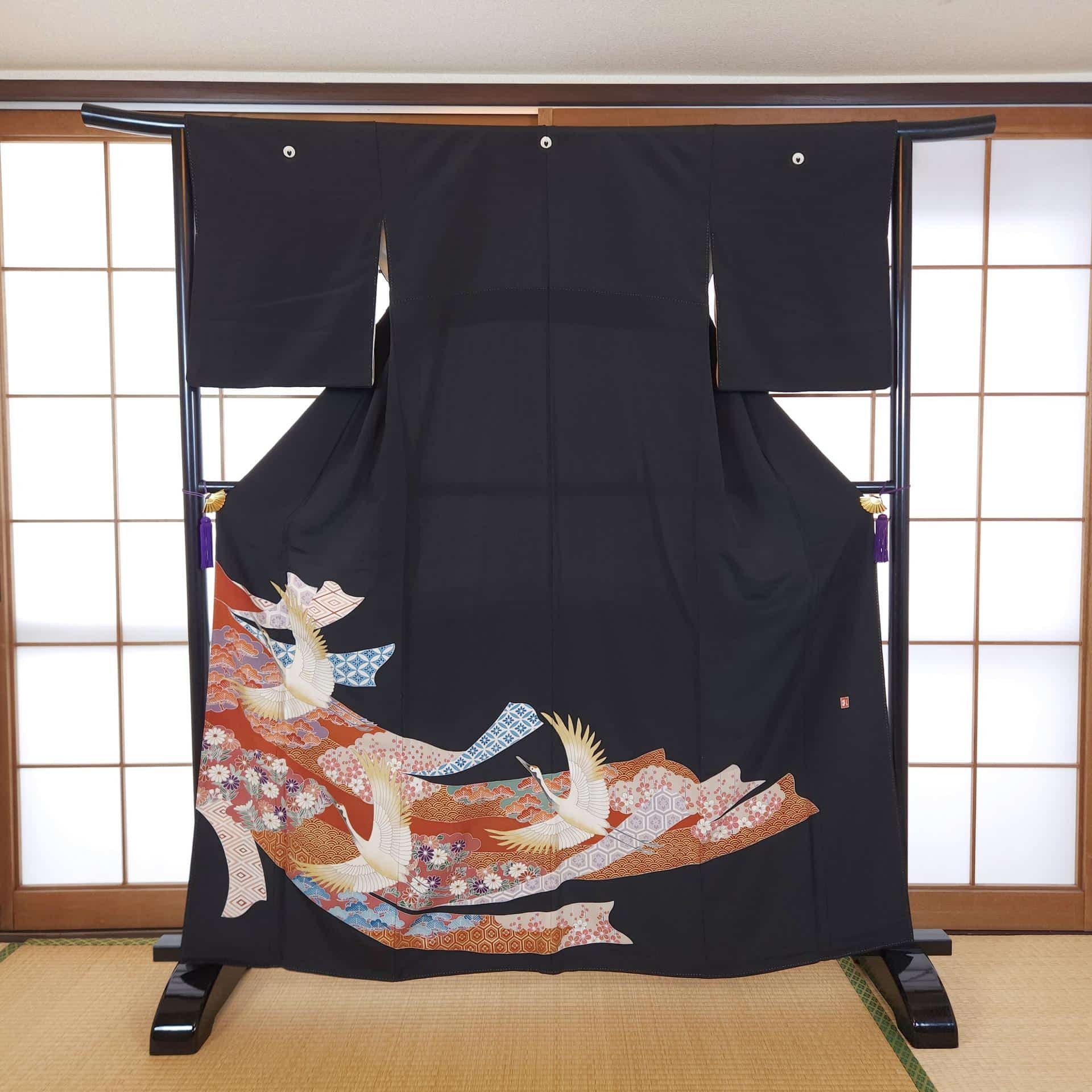
Kuro Tomesode with cranes and Tabane Noshi
Japanese Kuro Tomesode kimono featuring cranes flying above Tabane Noshi bands
-
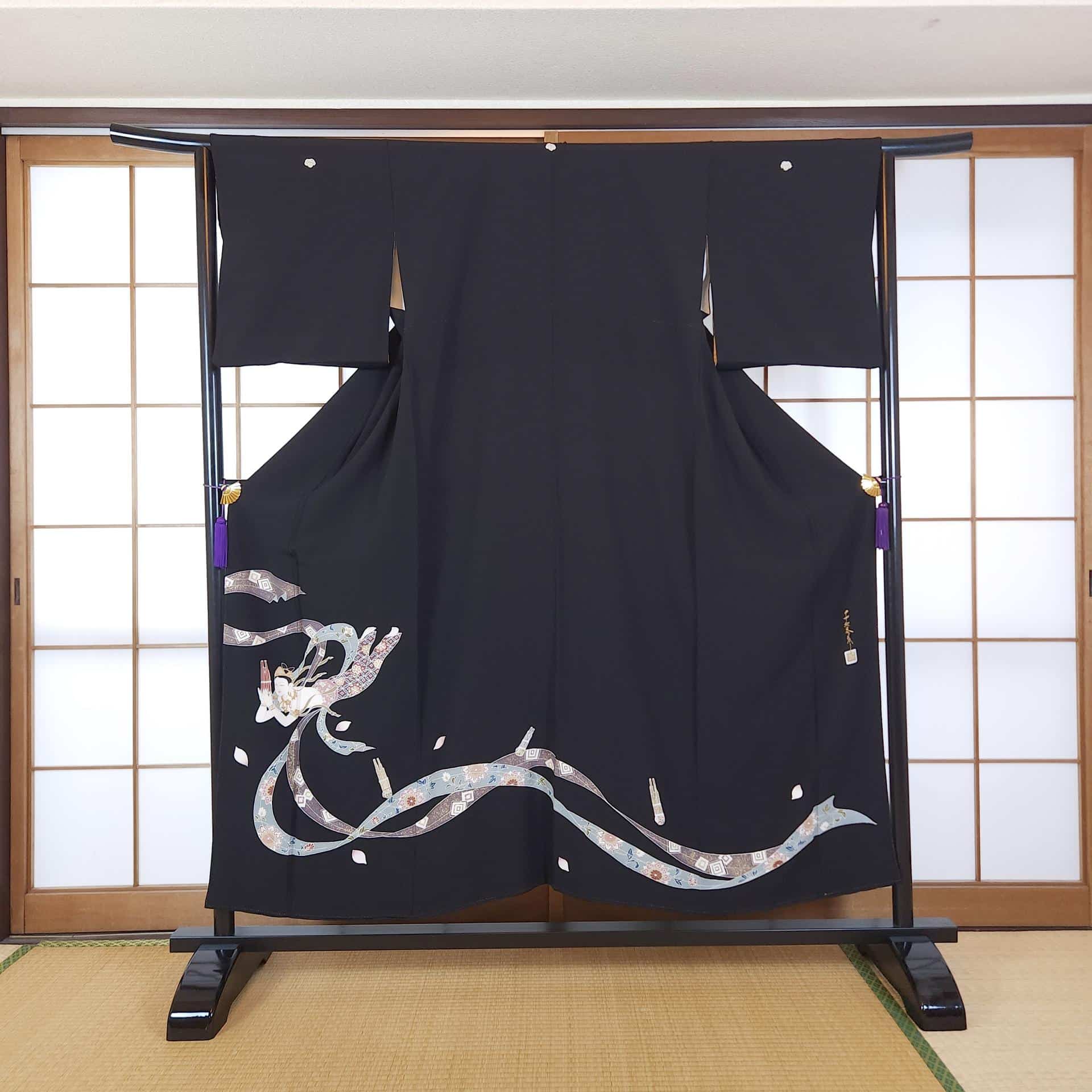
Kuro Tomesode with Tennyo Yuzen motif
Kuro Tomesode decorated with a Yuzen-painted Tennyo (天女) motif
-
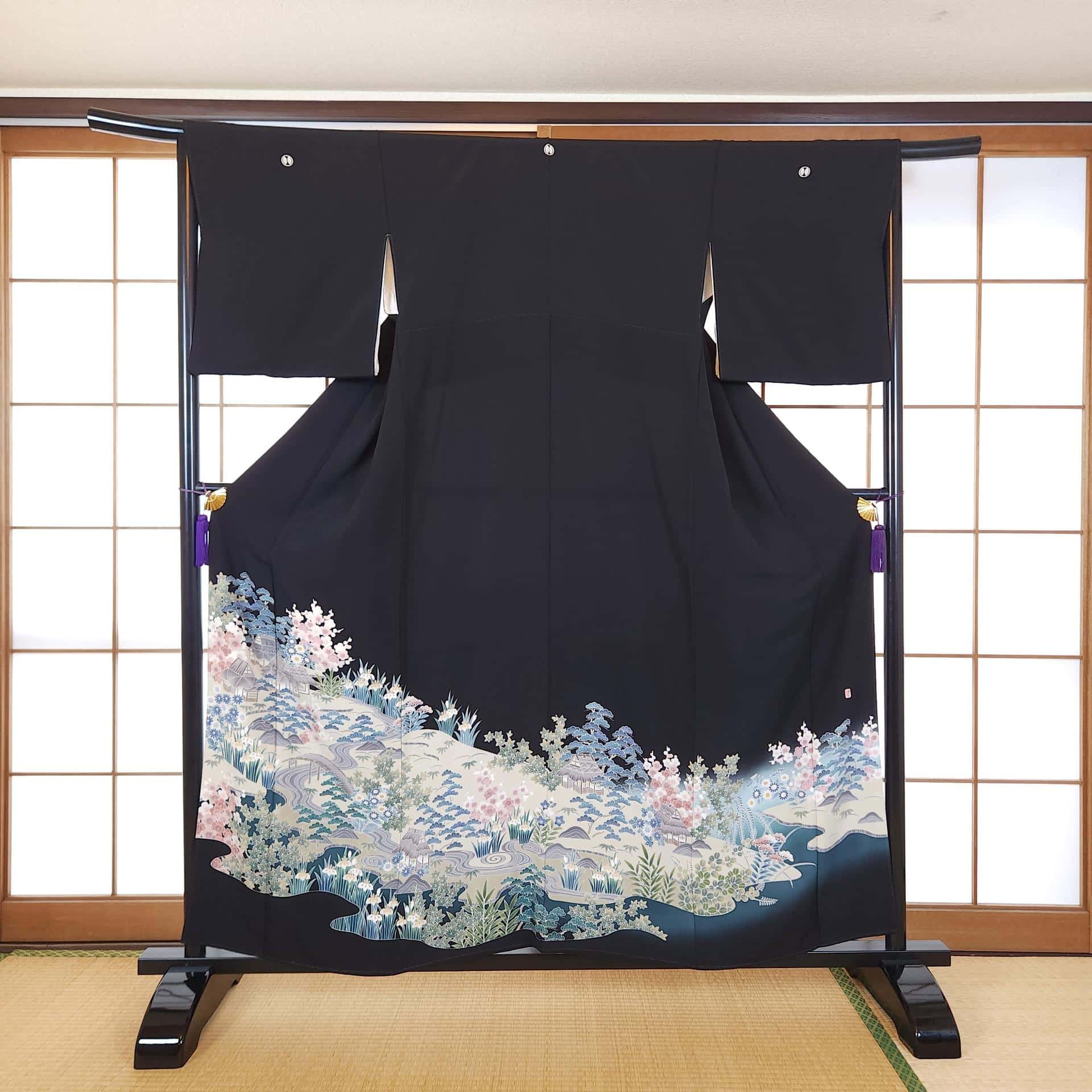
Kuro Tomesode Yuzen Japanese village landscape
Kuro Tomesode kimono decorated with an ancient Japanese village by a riverside
-
Sale!
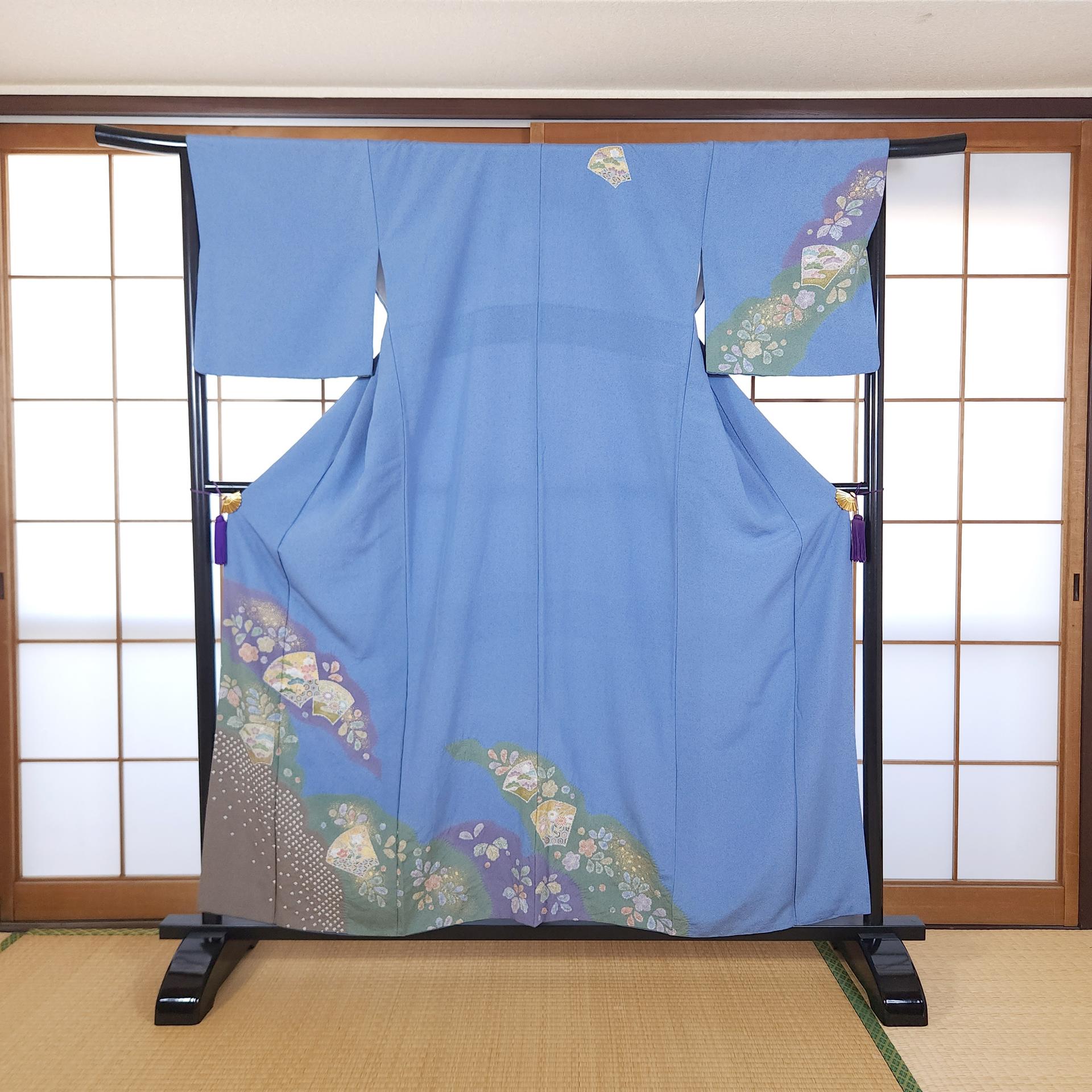
Light blue Houmongi Kimono fan and gold accents
Houmongi Kimono made of light blue crepe fabric, adorned with delicate floral and fan motifs
-

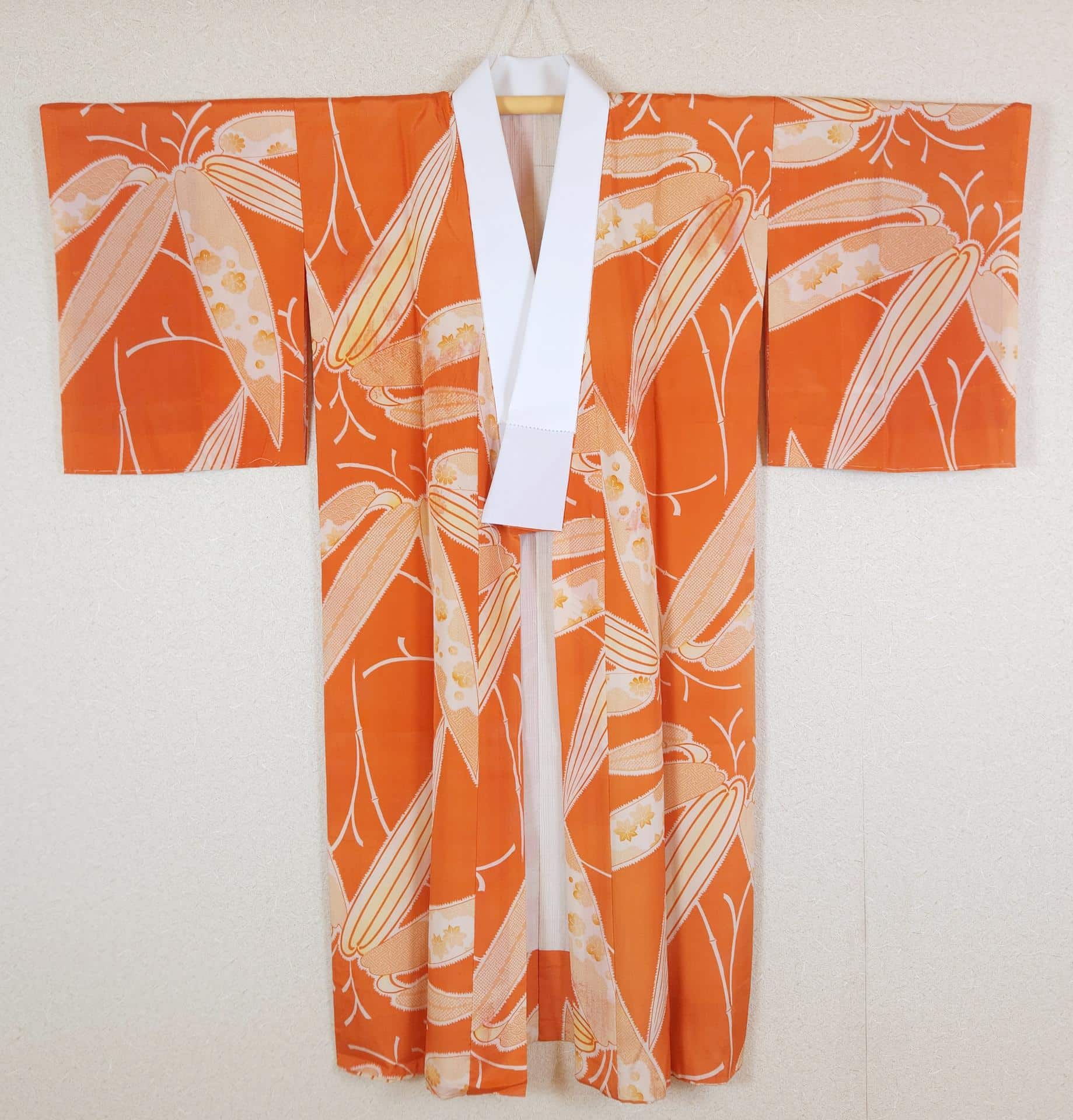
Light orange bamboo Nagajuban
Japanese nagajuban in orange fabric, decorated with bamboo leaf motifs
-

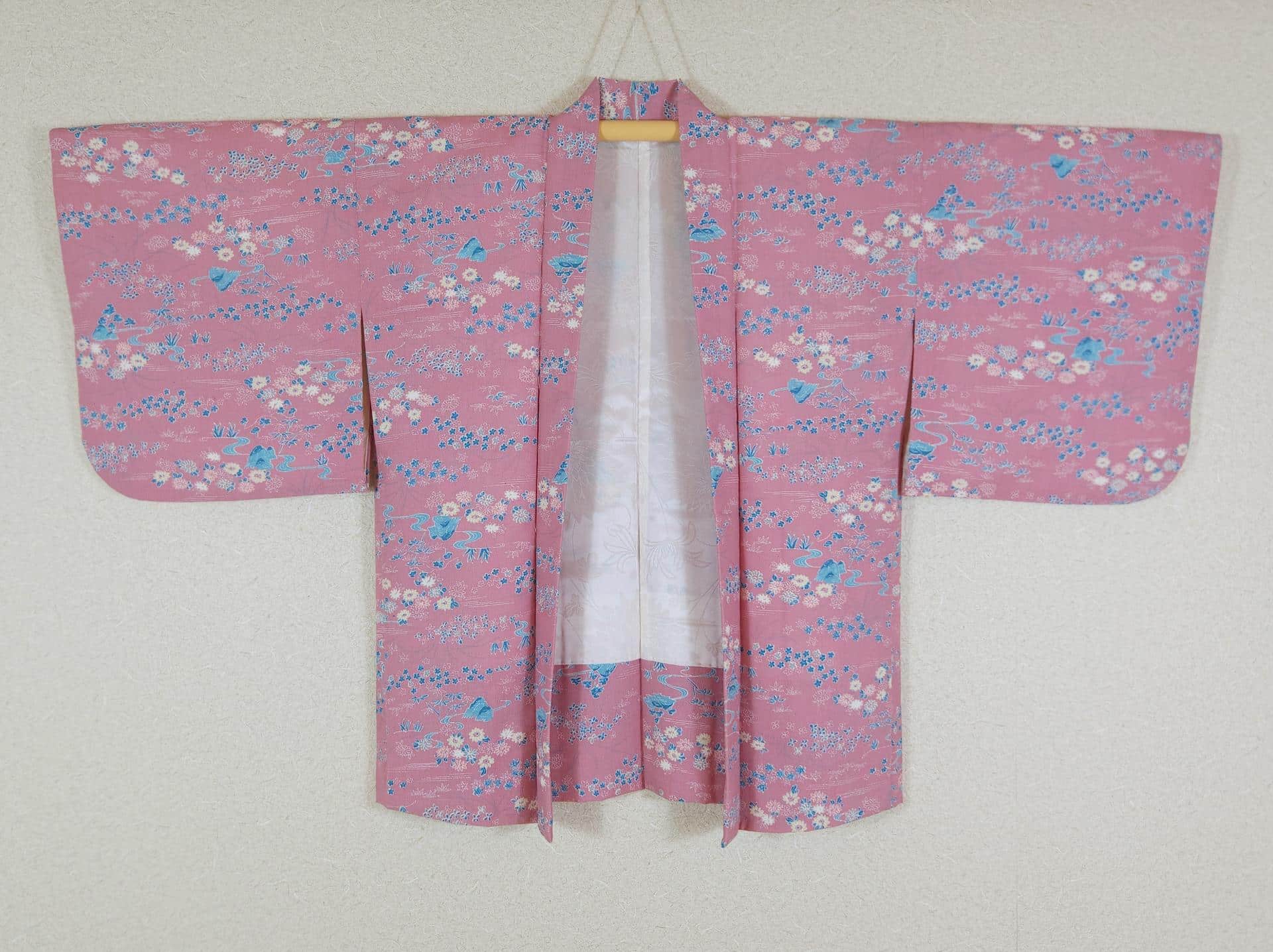
Light pink Haori flowers and river
Haori in pink polyester crepe decorated with floral motifs in shades of blue, white and pink
-
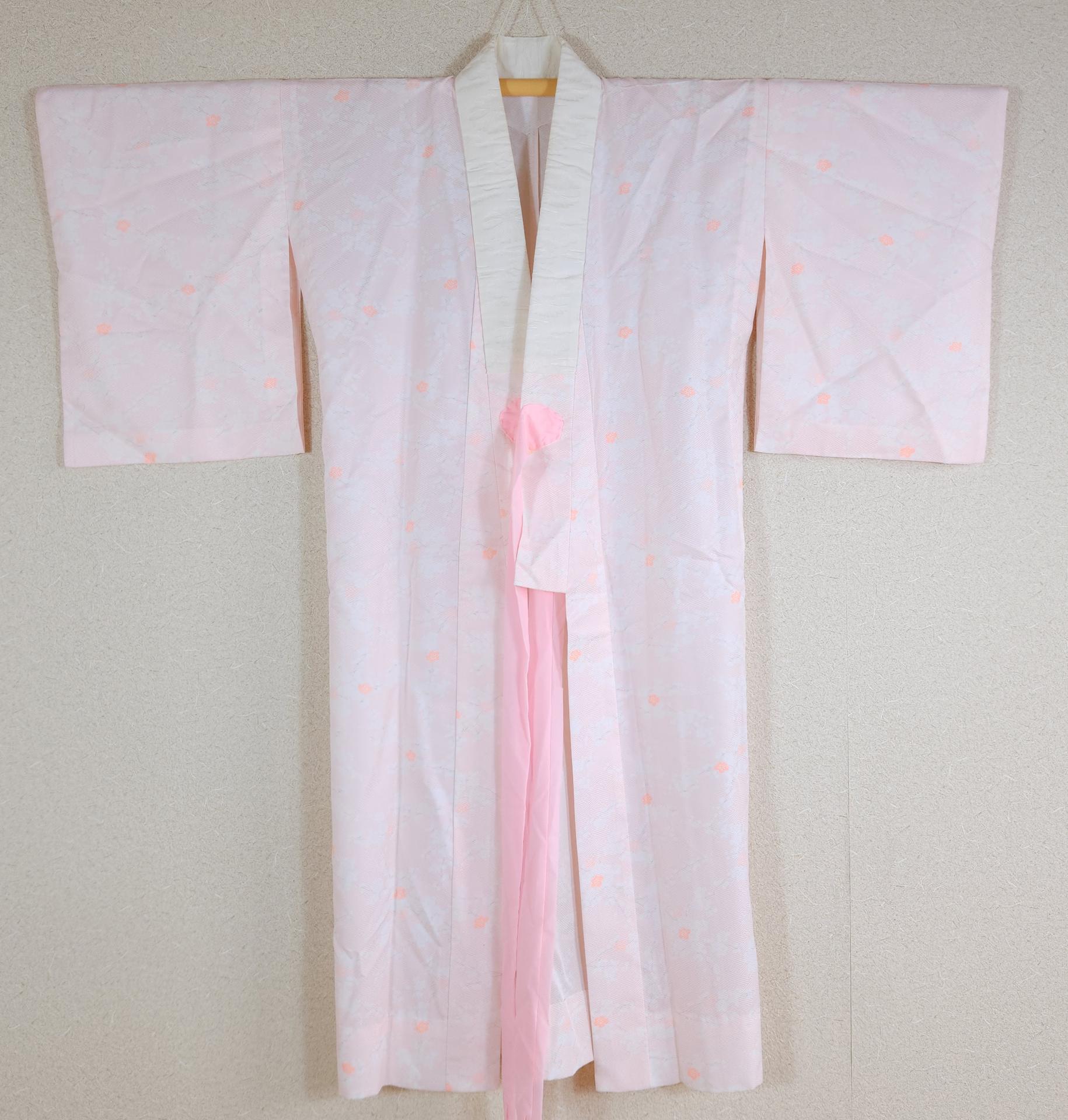
Light pink Nagajuban with jacquard collar
Japanese Nagajuban in light pink fabric with a jacquard collar
-
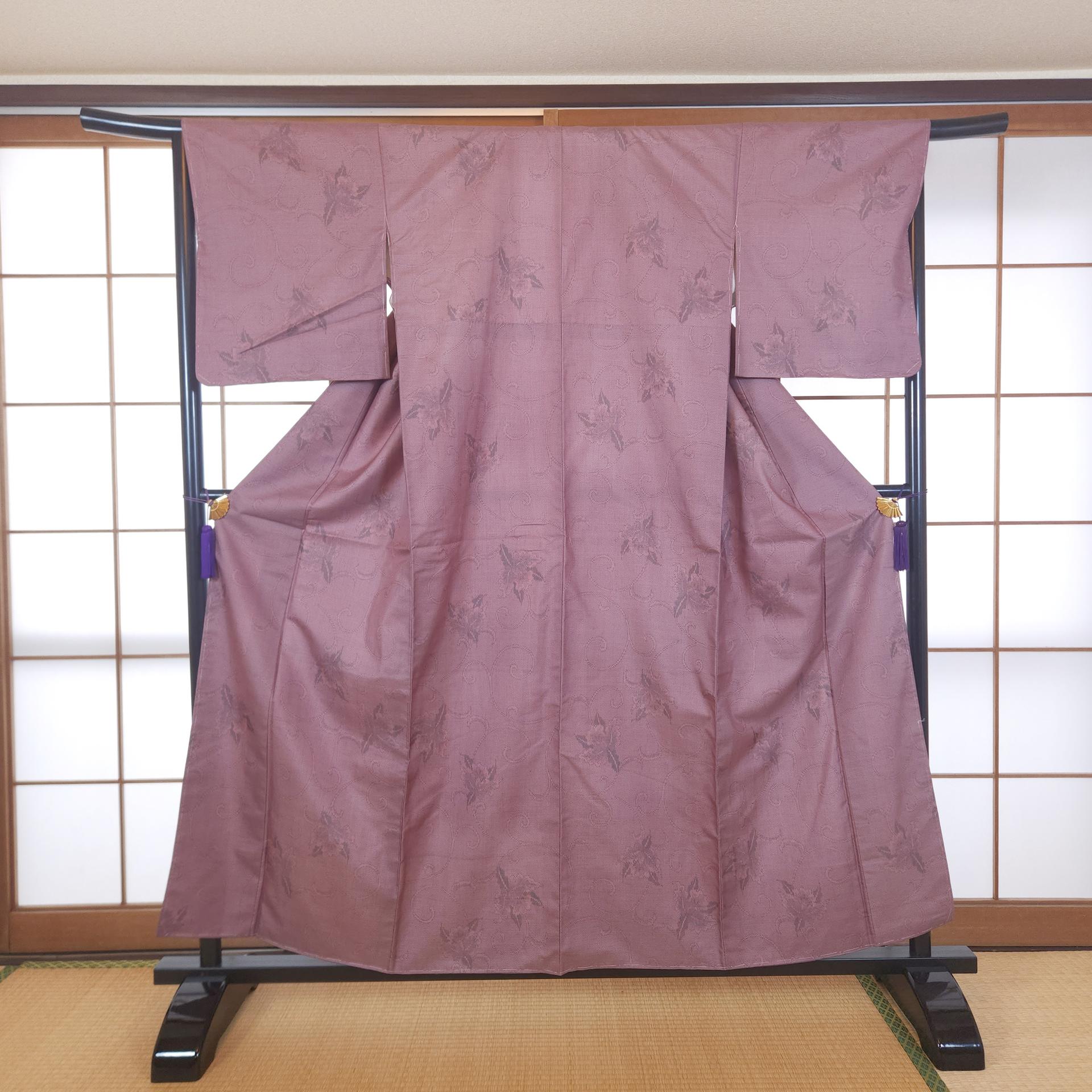
Mauve floral Tsumugi Komon Kimono
Japanese mauve Tsumugi Komon kimono featuring a subtle floral pattern
-

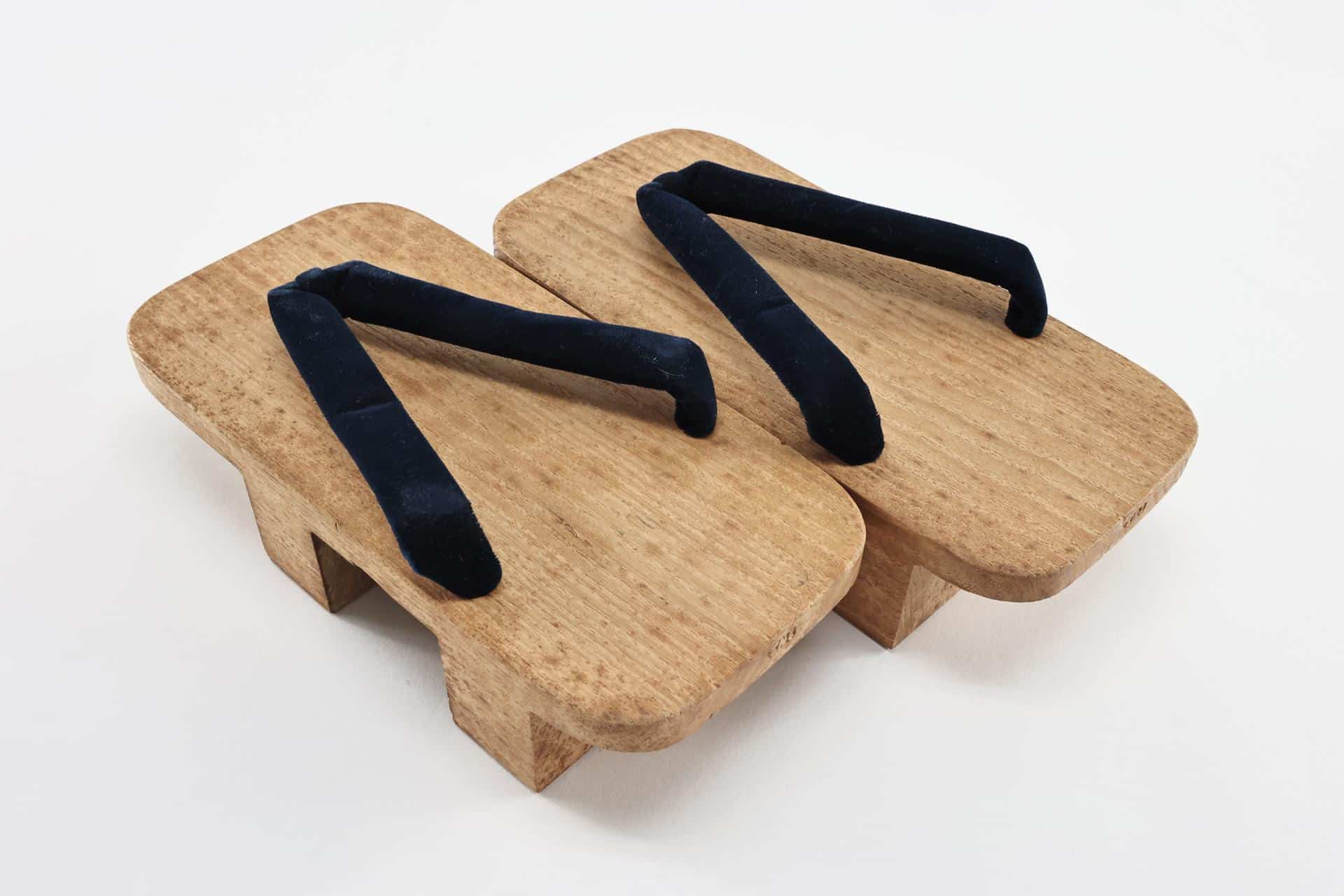
Men’s wooden geta sandals
Japanese wooden Geta sandals for men very good condition, seems never used
-

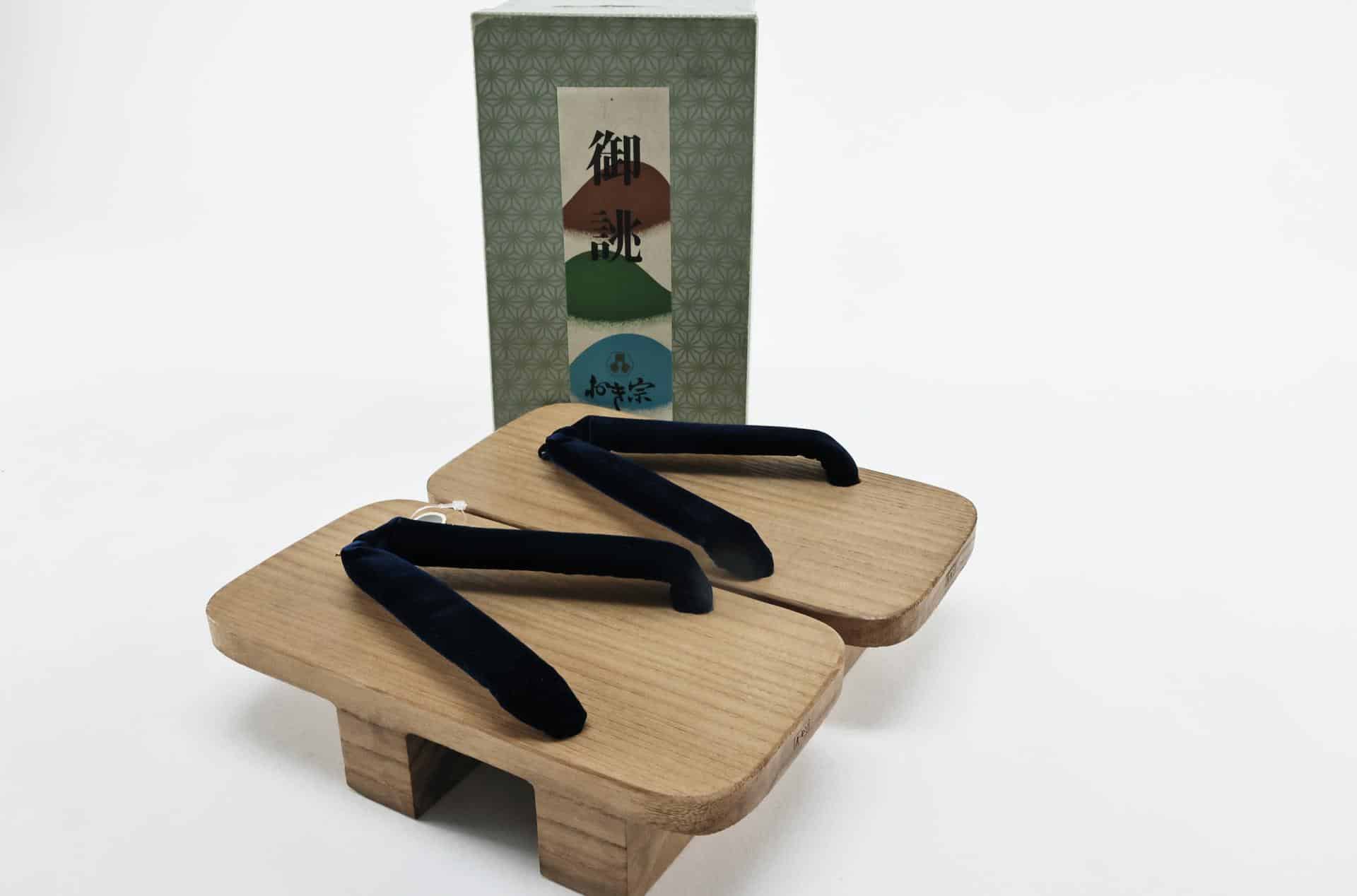
Men’s wooden geta sandals with box
Japanese wooden Geta sandals for men very good condition, seems never used
-
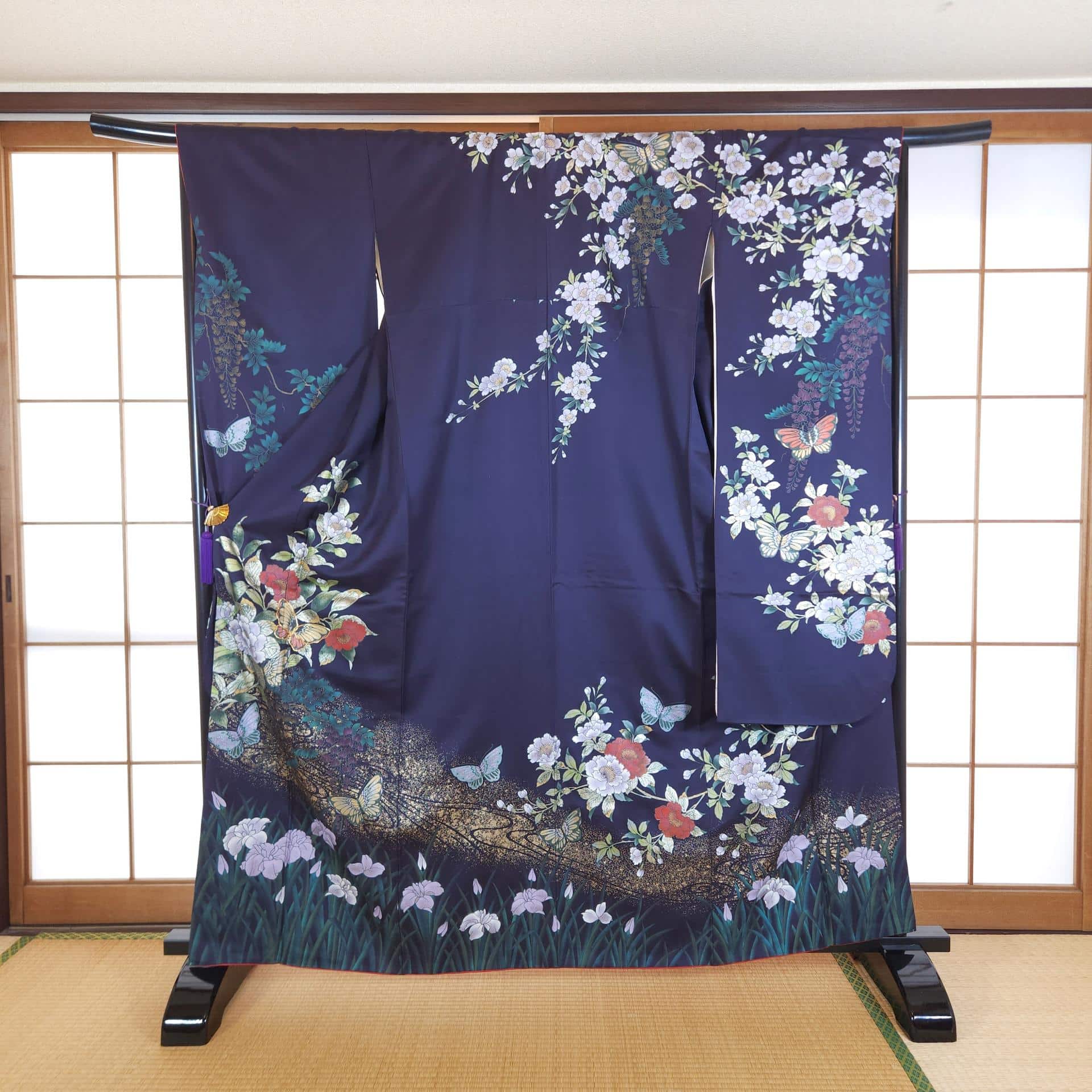
Midnight blue Furisode with flowers and butterflies
Blue Furisode kimono decorated with Japanese flowers such as sakura, peonies, and wisteria...
-
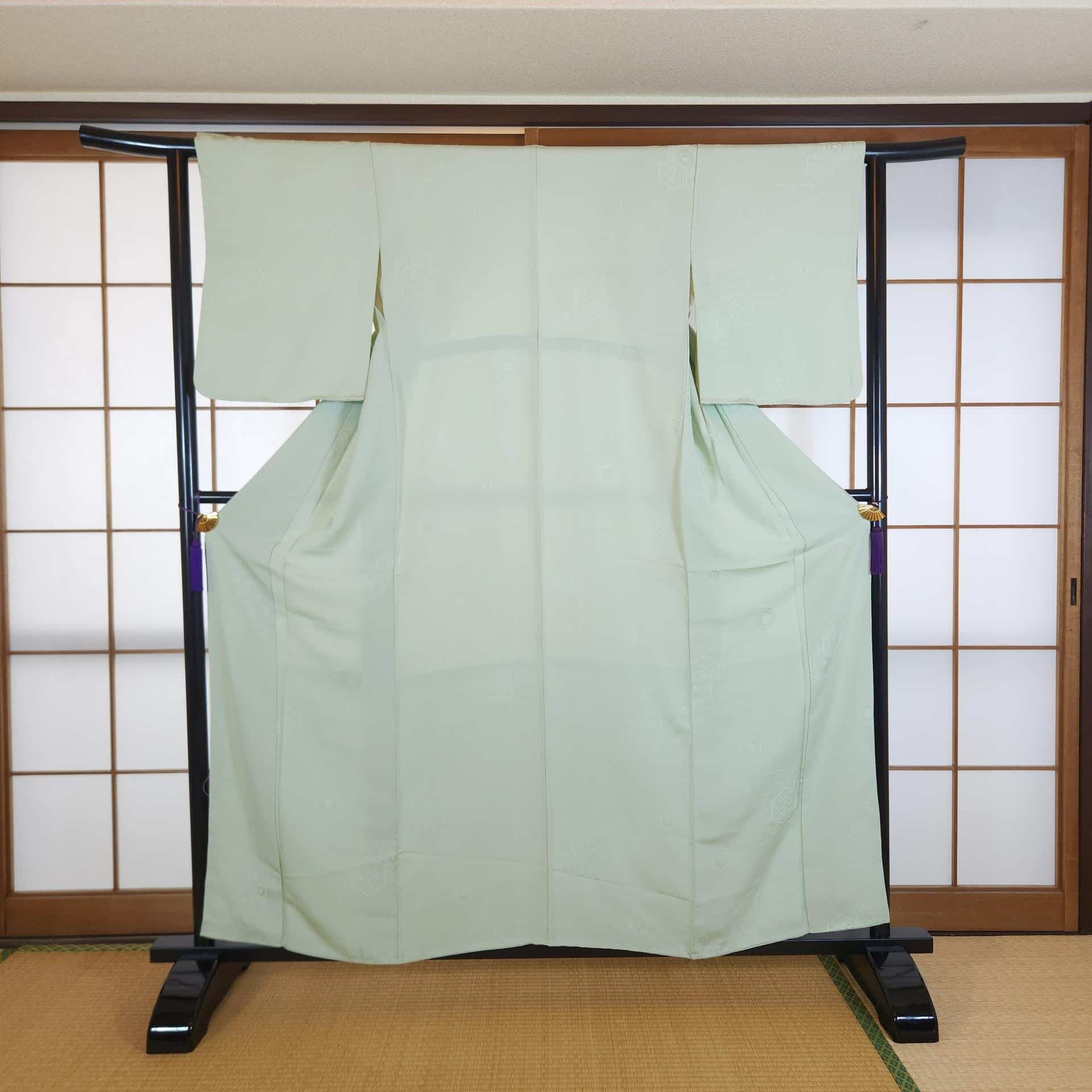
Mint green Iro Muji brocade Kimono
Minimalist mint green Iro Muji brocade Kimono
-

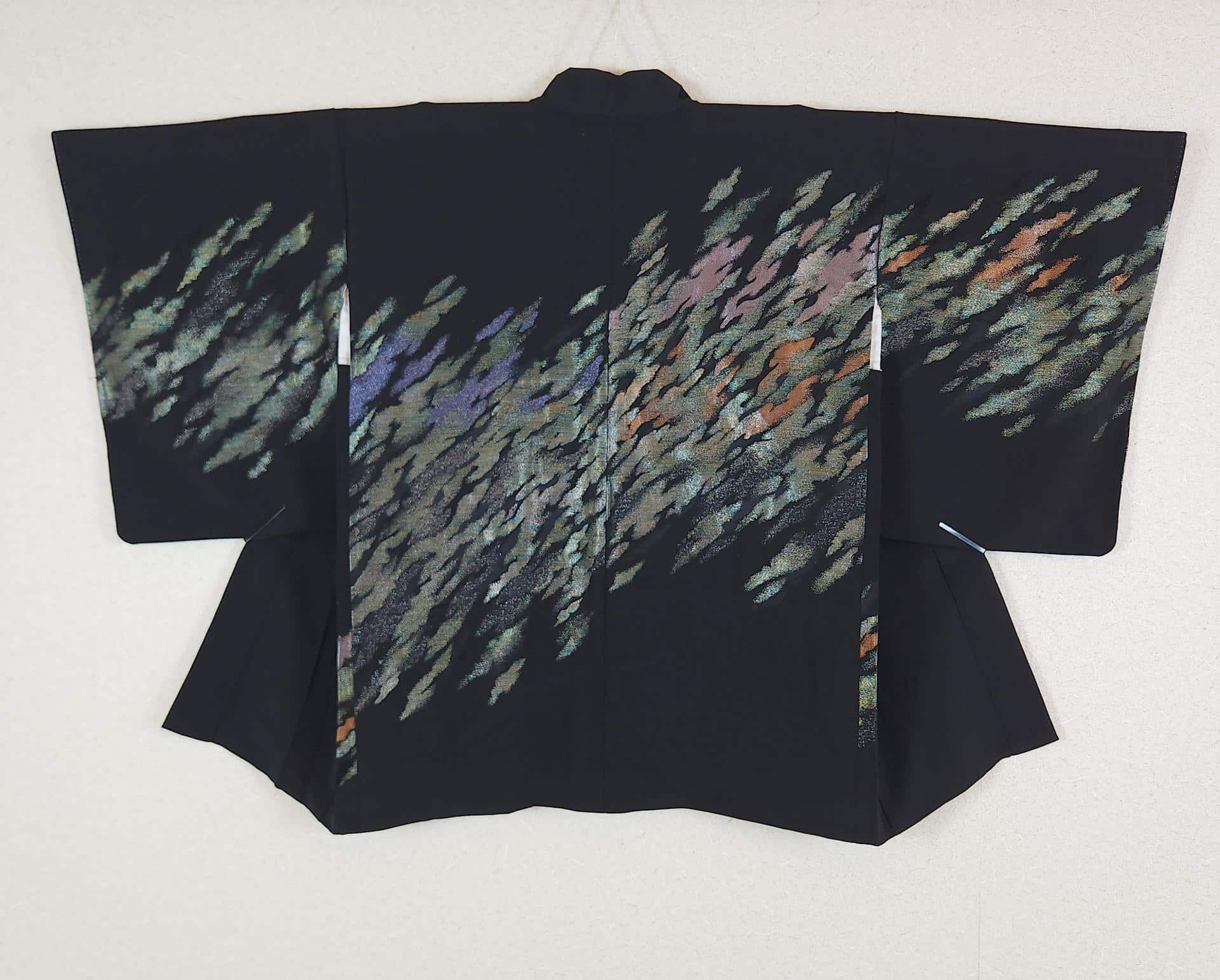
Multicolor jacquard black Japanese Haori
Black crepe fabric Haori decorated with a stunning multicolor metallic effect on the back
-

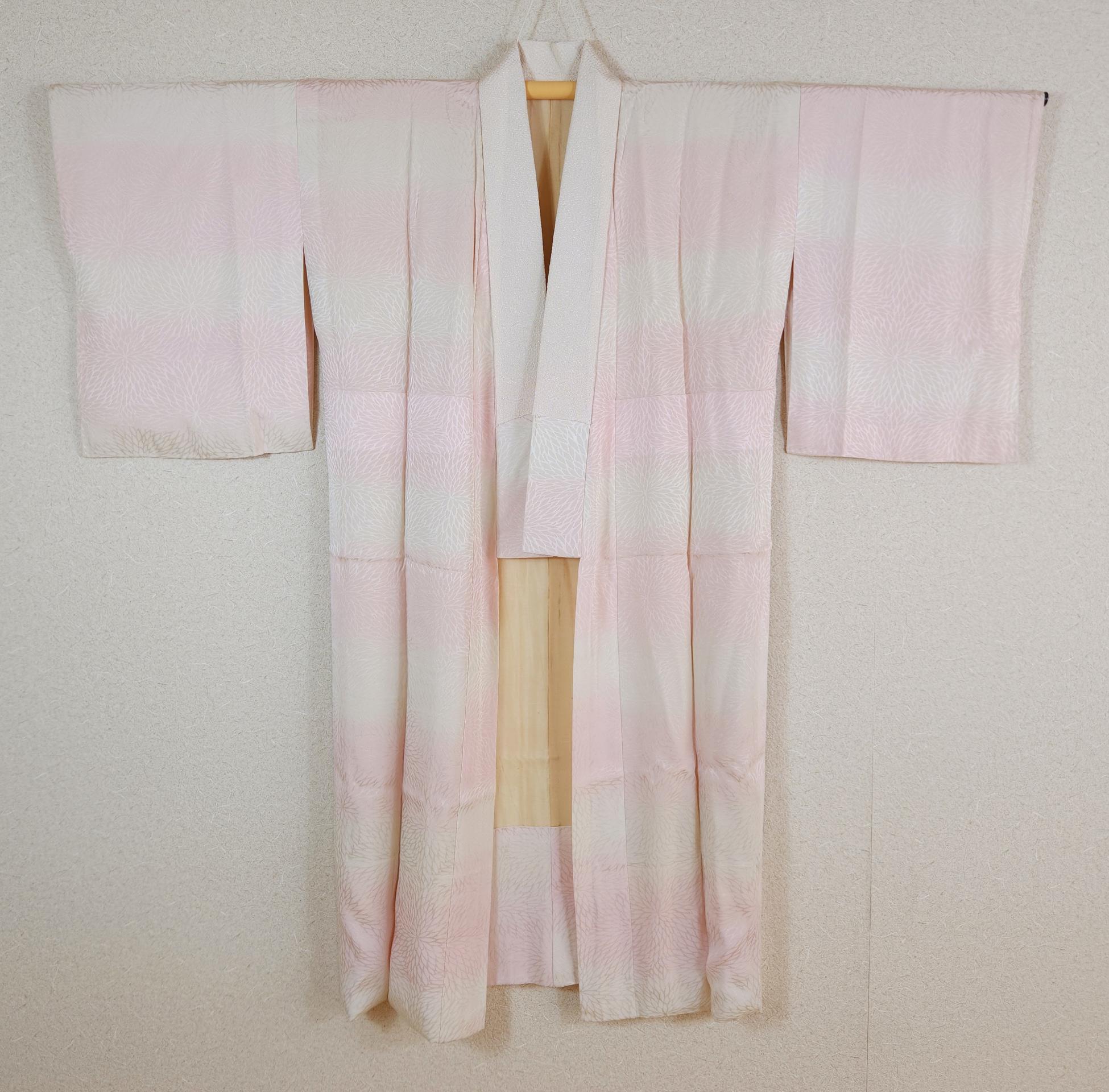
Nagajuban in pink kiku-patterned brocade
Nagajuban with lining, in light pink colore brocade, woven with kiku motifs
-

Nagajuban Sakura and Sayagata
Nagajuban in pink color brocade with Sakura, woven with Sayagata motifs
-
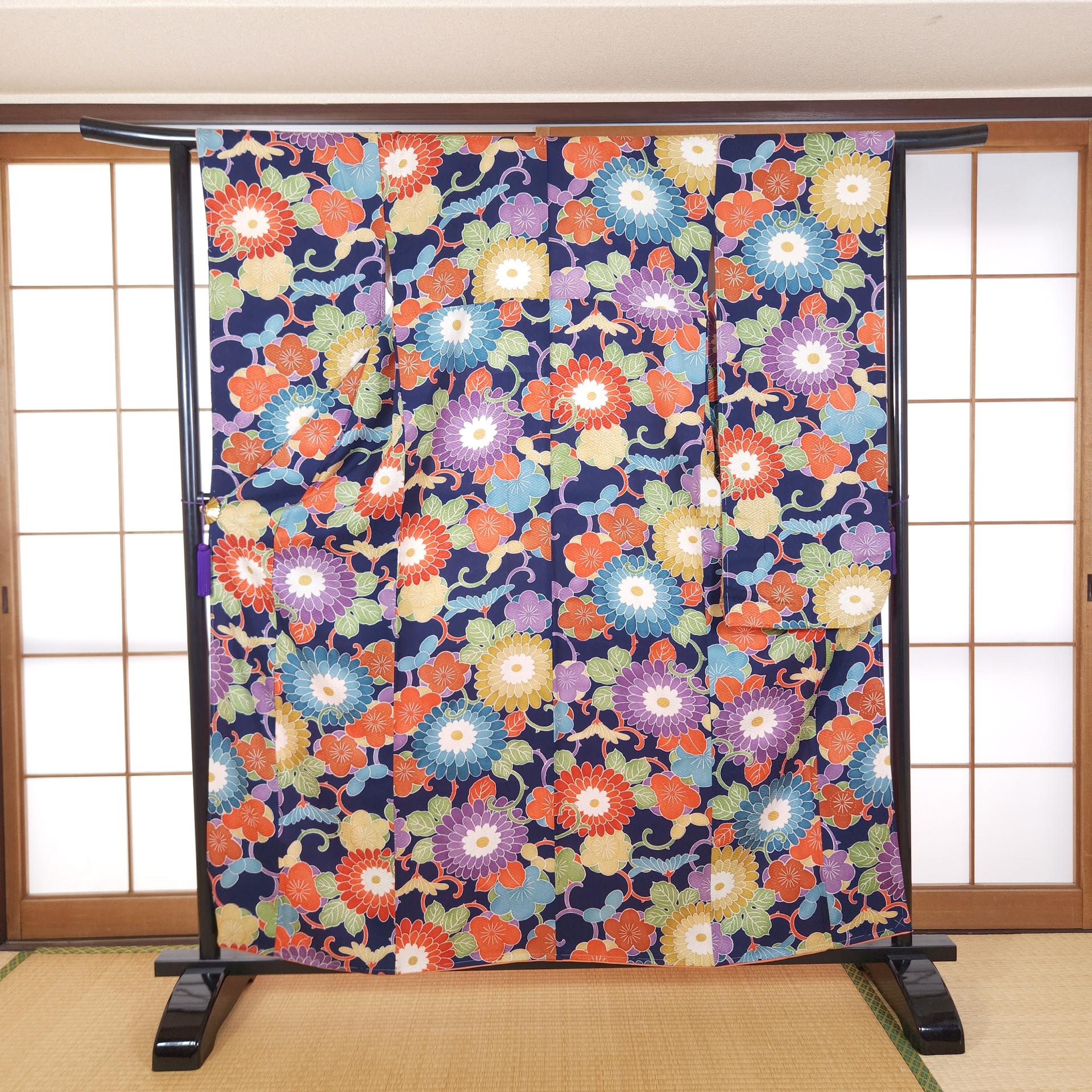
Navy blue Chū Furisode with colorful Kiku
Navy blue Chū Furisode, fully adorned with large, colorful chrysanthemum (Kiku) flowers
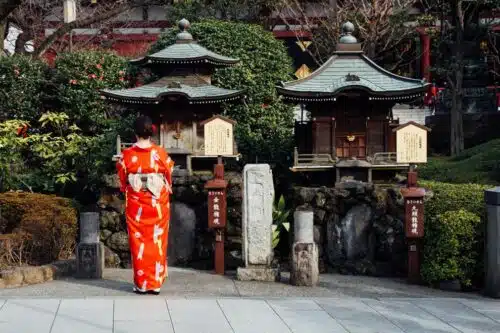
History of the Kimono: A Timeless Garment

The Different Types of Kimonos
In our collection of traditional Japanese kimonos, you will discover a variety of styles that embody the essence of Japanese fashion. Explore our selection to find unique pieces such as the yukata—a lightweight kimono perfect for summer—and the Furisode, with its long and elegant sleeves, specially designed for young women. Each type, such as the Houmongi or the Komon, is adorned with delicate Japanese patterns and serves a specific purpose, offering options suitable for all occasions—from traditional tea ceremonies to grand formal events. Our selection includes Japanese kimonos for both women and men, each representing a fusion of tradition and modernity, inviting you to discover and celebrate the richness of Japanese culture.

Traditional Japanese Kimono for Women: Elegance and Authenticity
Our traditional Japanese kimonos for women are true masterpieces of Japanese craftsmanship. From the subtle kimono jacket “Haori” or “Michiyuki” to the elegant black kimono “Kuro Tomesode”, each piece embodies a perfect blend of comfort and traditional style. These kimonos, designed with respect for tradition, are perfect for wearing at special events or in everyday life. Every women’s Japanese kimono is carefully crafted, adhering to the traditional rule of wrapping with the left side over the right.

Accessories and Sizes for Traditional Kimonos
Complete your kimono outfit with our selection of essential accessories. Discover our traditional Japanese footwear “Zori” or “Geta” and tabi socks for an authentic look. The elegant obi belt is a must-have, adding sophistication to your kimono. Also, be sure to check the sizing information on each product page for a perfect fit, ensuring both style and comfort.
Find out more about Traditional Japanese Kimonos
Here are some answers to questions you may have about this product category and our shop.
What distinguishes a Japanese kimono from a yukata?
The kimono is a traditional and formal Japanese garment, often made of silk and worn on special occasions. In contrast, the yukata is a more casual and lightweight type of kimono, frequently made of cotton or polyester, making it comfortable to wear. Traditionally, the Japanese yukata was worn after a bath or during the Matsuri festivals, serving as a comfortable and more relaxed alternative to the formal kimono.
How do geishas wear kimonos?
The geisha, a traditional artist and icon of Japanese culture, wears kimonos with remarkable grace and mastery. Her choice of kimono often reflects the occasion and the season. The kimonos worn by geishas are generally vibrant in color and adorned with intricate patterns, symbolizing her status and art. In addition to the kimono, the geisha completes her look with carefully selected accessories such as elaborately tied obis, distinctive “Kanzashi” hairpieces, and geta or zori (traditional types of sandals). Each element of her outfit is chosen with care to create a harmonious and captivating image, representative of her unique role in preserving and celebrating Japanese cultural heritage.
Is there a significance behind the patterns on kimonos?
The patterns on our kimonos, such as cherry blossoms or cranes in flight, often carry deep cultural significance, reflecting the traditions and natural beauty of Japan.
What is the difference between a traditional kimono and a modern kimono?
Modern kimonos tend to incorporate contemporary designs, whereas traditional Japanese kimonos preserve the historical aspects of the garment.
Are kimonos appropriate for weddings?
Wedding kimonos are popular choices due to their elegance and symbolism, representing the solemnity of the occasion.
Are there Japanese kimonos for men?
Yes, there are kimonos for men with distinct styles, suitable for those who wish to embrace this part of Japanese culture.
What are the main types of kimonos for women?
The main types of kimonos include the furisode, yukata, houmongi, and komon, each with its own usage and distinctive style.
Are there kimonos suitable for children?
Although currently not available from us, children’s kimonos are worn on special occasions, such as Shichi-Go-San celebrations.
Do kimonos represent a specific social status in Japan?
Historically, certain kimonos indicated social status, but this tradition has faded over time.
Are there kimonos designed for specific occasions?
Some kimonos are specially designed for events such as tea ceremonies, Matsuri festivals, and other formal occasions.
Are kimonos available in a variety of styles?
Yes, our selection of Japanese kimonos includes a variety of styles, ranging from more flowing designs to more structured cuts, offering something for every taste. We pay close attention to the quality of the kimonos we sell to ensure that each piece not only embodies the richness of Japanese culture but also offers unparalleled comfort and elegance. Whether you are looking for an outfit for a special occasion or a unique addition to your everyday wardrobe, our kimonos are designed to impress and express a distinctive Japanese style.
How has Western fashion influenced kimonos?
Western fashion has introduced variations in the patterns and cuts of Japanese kimonos, blending traditional styles with contemporary influences.
Are kimonos considered nightwear?
Traditionally, kimonos are not used as nightwear but rather as traditional garments worn on special occasions or in daily life.
How do Japanese women wear kimonos?
Japanese women wear kimonos with great attention to style, fit, and accessories, reflecting their respect for this traditional attire. Wearing this garment is both an art and a commitment to preserving traditions.
Why is it important to check the sizes when choosing a kimono?
When choosing a Japanese kimono from our collection, it is crucial to check the precise dimensions indicated on our product pages. Our unique kimonos come in specific sizes. Therefore, it is important to review this information carefully to select a kimono that fits perfectly in terms of comfort and traditional aesthetics.
Can kimonos be worn in everyday life?
Styles such as the long kimono, the short kimono, or the kimono jacket “Haori” are adapted for everyday use, offering a more casual version of the traditional Japanese garment.
Which accessories complete this traditional garment?
Accessories such as the obi belt, traditional Japanese footwear “Zori”, and wooden sandals “Geta” are essential to complete a woman’s or man’s kimono look, giving them an elegant and traditional appearance.
How do you care for a kimono to prolong its lifespan?
To preserve the quality and beauty of your Japanese kimono, careful maintenance and storage are essential. These traditional garments require special attention to maintain their vibrancy and structure. We strongly recommend dry cleaning to avoid any damage, which helps preserve the bright colors and delicate texture of the fabric. It is also crucial to protect your kimono from direct sunlight and humidity to prevent fading and deterioration. Stay tuned to our site for an upcoming article that will provide detailed care tips for your kimonos, allowing you to cherish and preserve these pieces of Japanese craftsmanship for years to come.
How do you tie an obi belt on a kimono?
Tying the obi varies depending on the type of kimono and the occasion. We will soon have tutorials to help you learn this important technique.